Highlights eLTER Consortia Meeting 2026
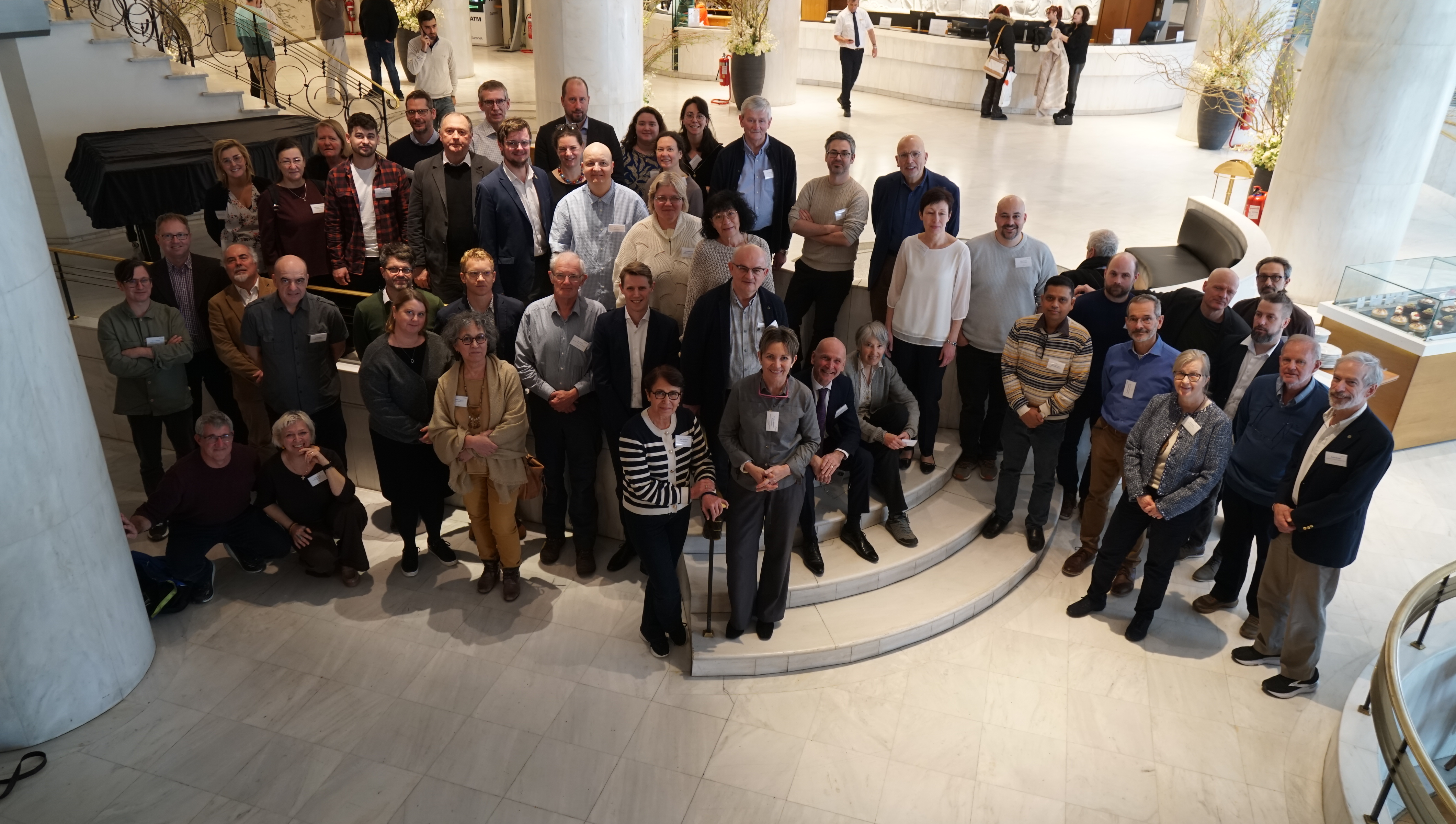
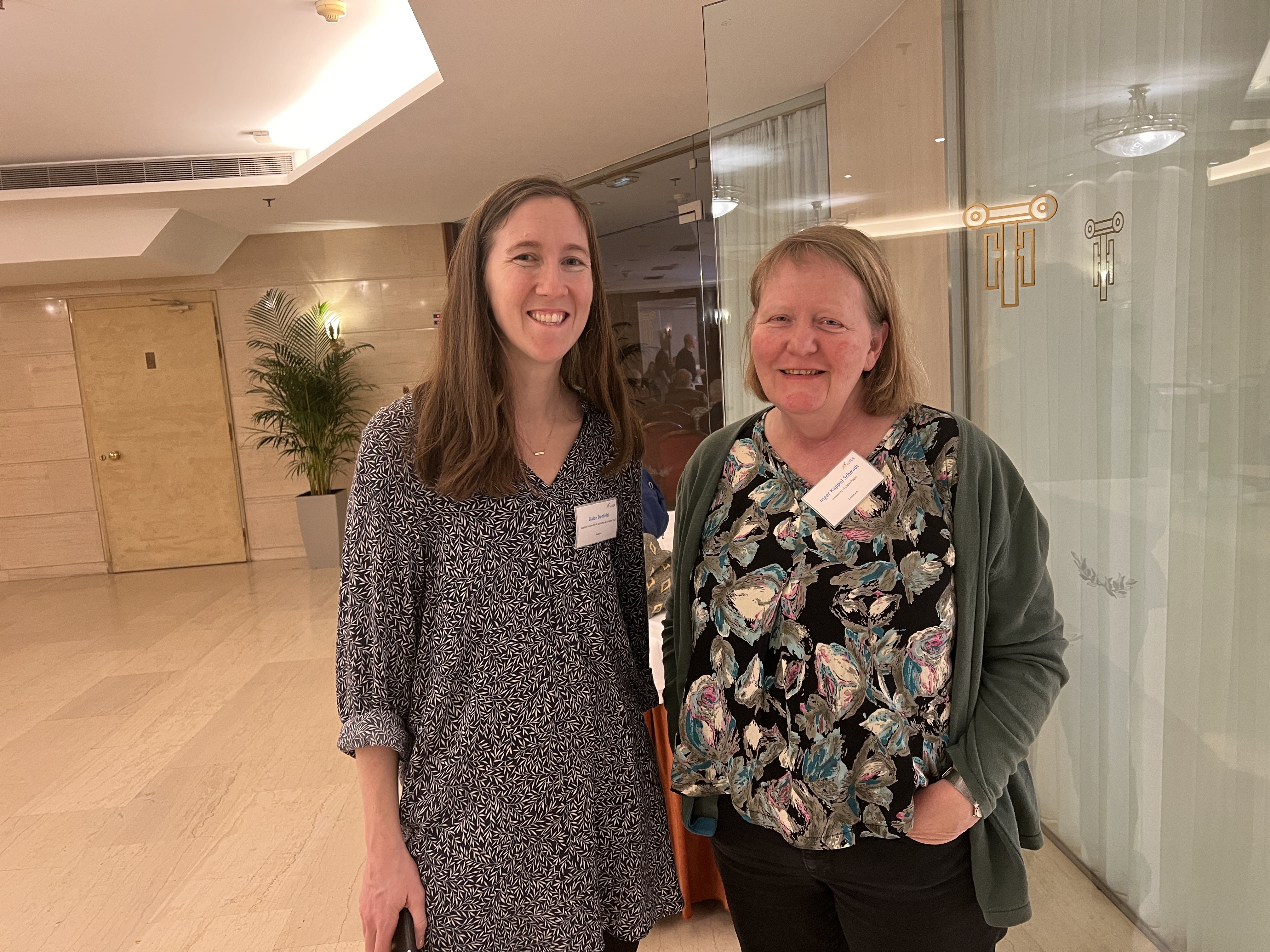
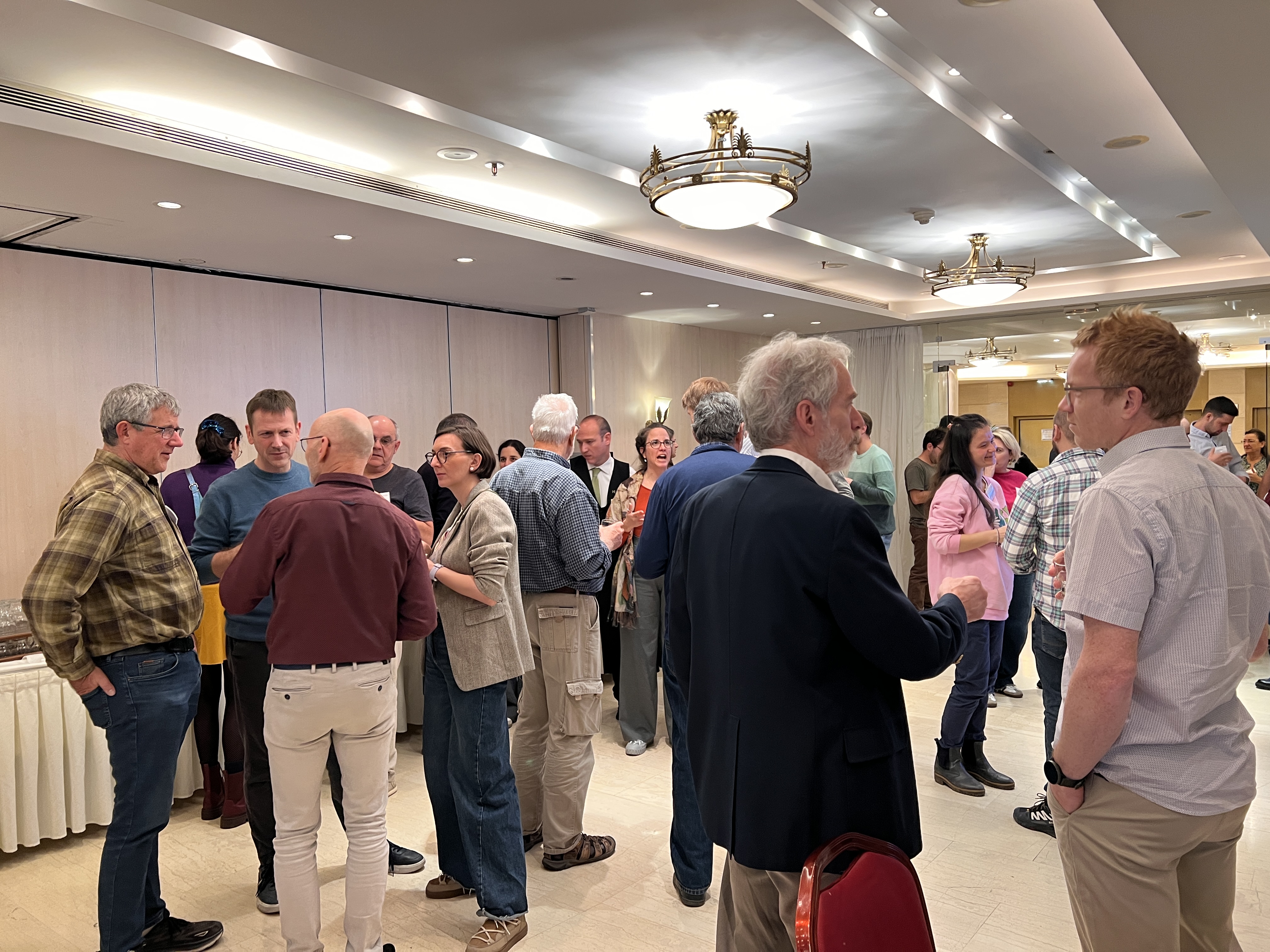
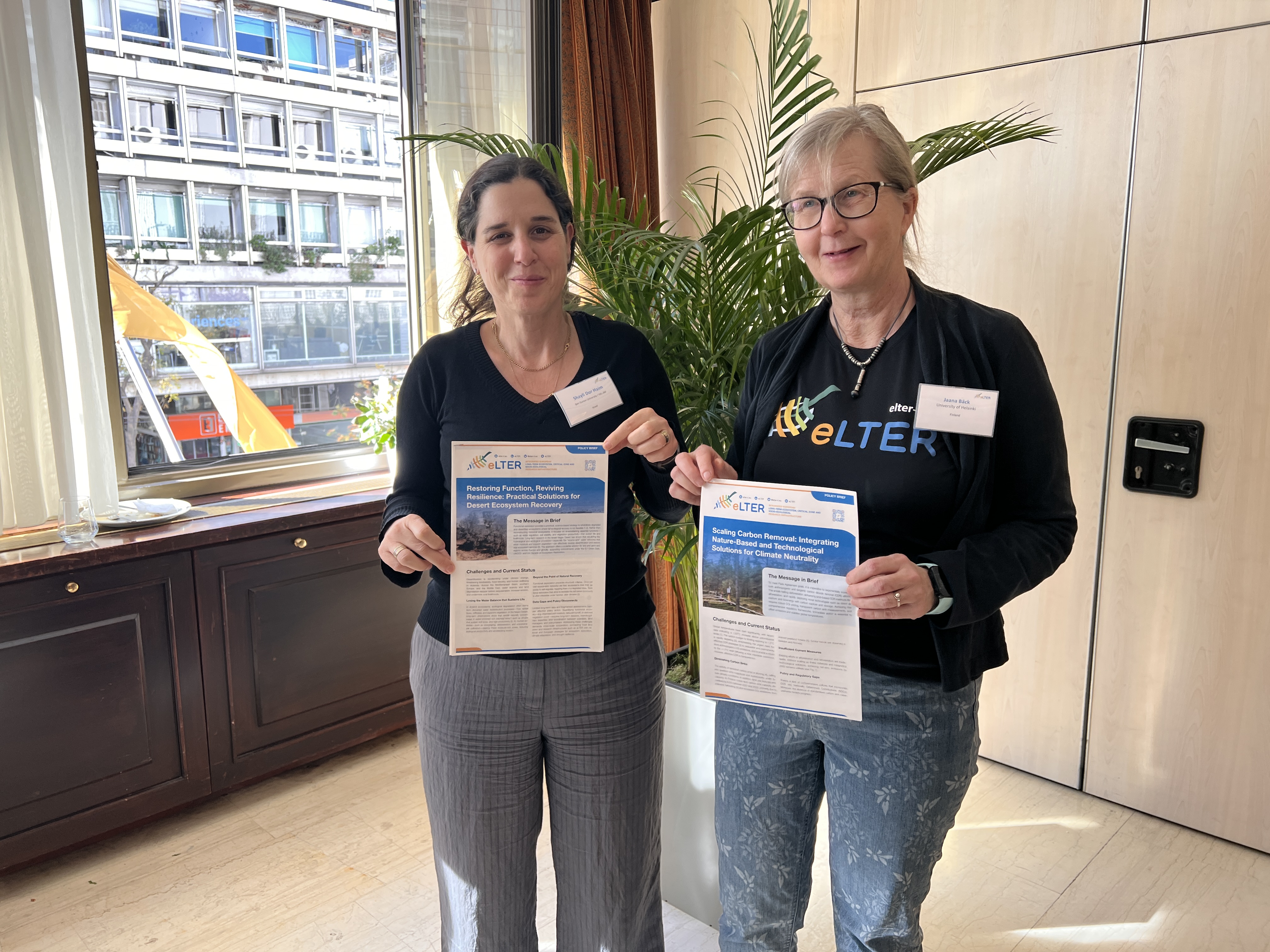
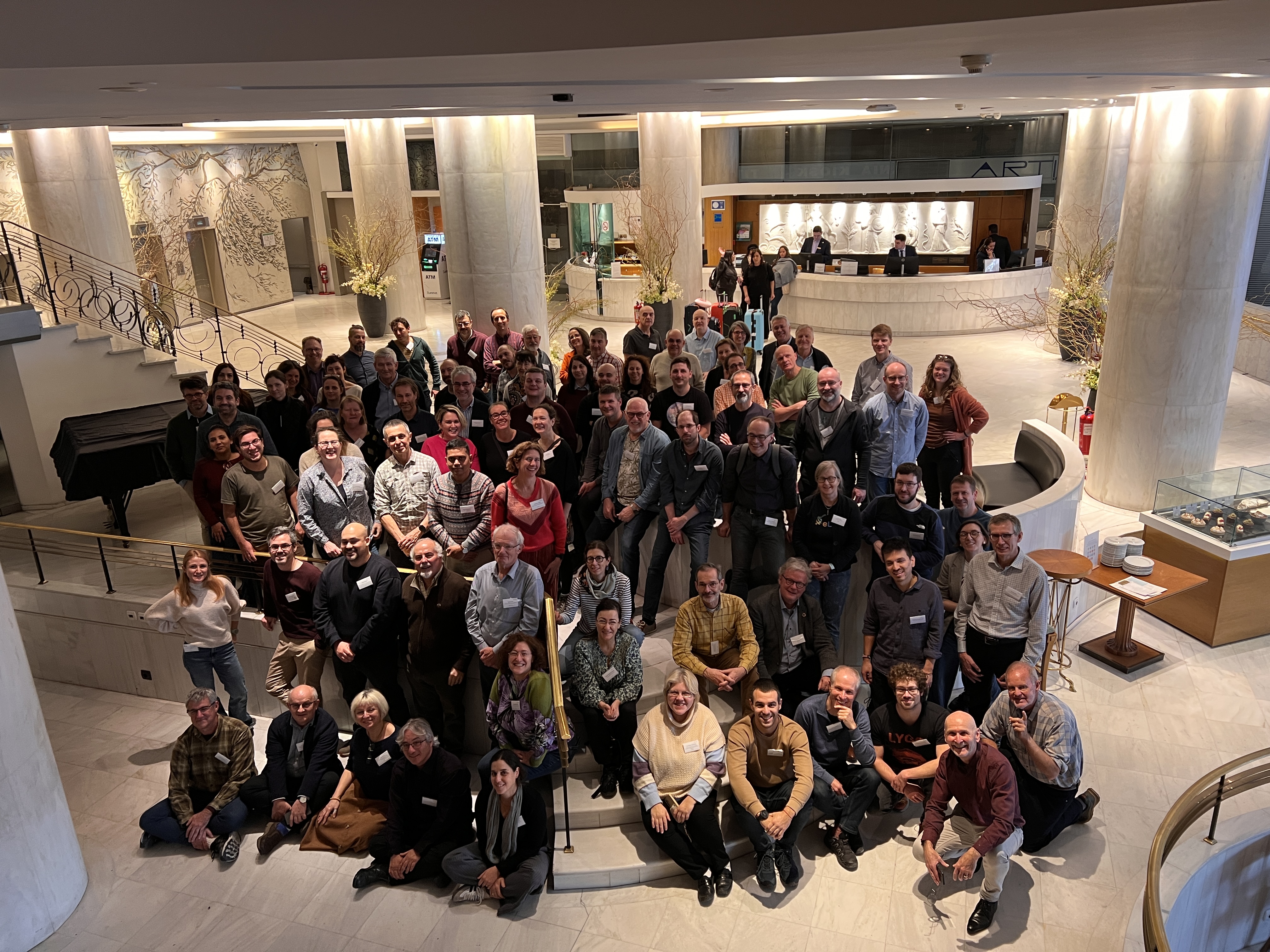
What better place to host the eLTER Consortia Meeting than Athens, Greece - a setting historically associated with dialogue, inquiry, and the shaping of collective futures. Bringing together more than 100 delegates from across Europe, including researchers, national coordinators, site and platform coordinators, early career scientists, and representatives of ministries, the meeting, held in January 2026, marked a critical milestone on the path towards the eLTER ERIC. Beyond its scale, the event reflected the maturity of a community that has evolved from a network of projects into an emerging, coordinated Research Infrastructure.
A shared journey: from vision to implementation
The event was opened by special guest Pierre Quertenment, Project Officer from the European Research Executive Agency, who highlighted that on eLTER PLUS progress has been excellent and problems related to Covid-19 and changes of consortium membership have been very well addressed. The work has been thoroughly monitored by the Scientific Advisory Board and to some extent by the Interim Council. On eLTER PPP the programme is nearing completion and is making sound progress. Any potential timetabling issues affecting the formal establishment of the RI are being well addressed by eLTER EnRich and the extra year granted for eLTER PPP. Quertenment also highlighted the new funding opportunities in the recently published Research Infrastructures Work Programme 2026-2027.
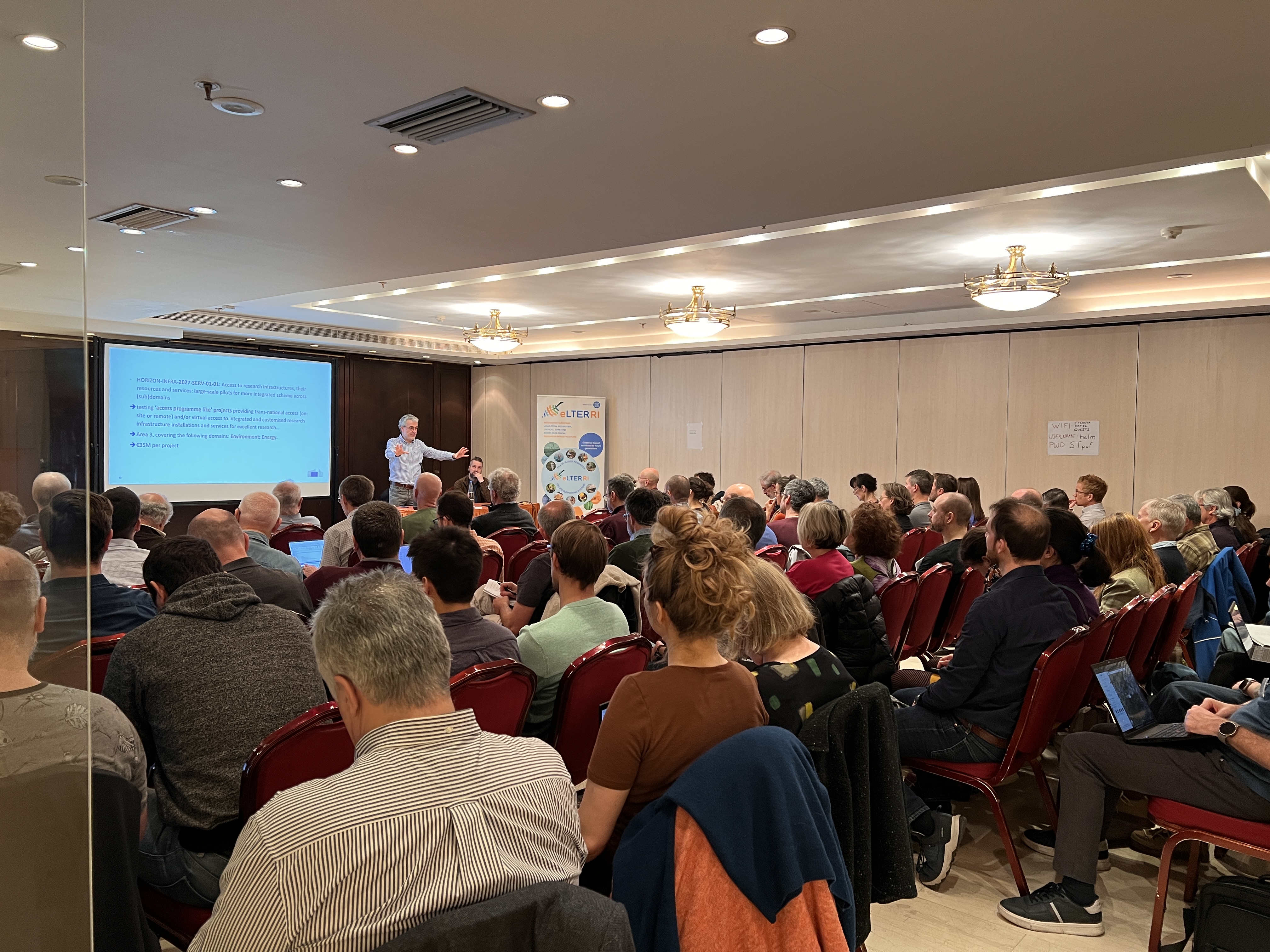
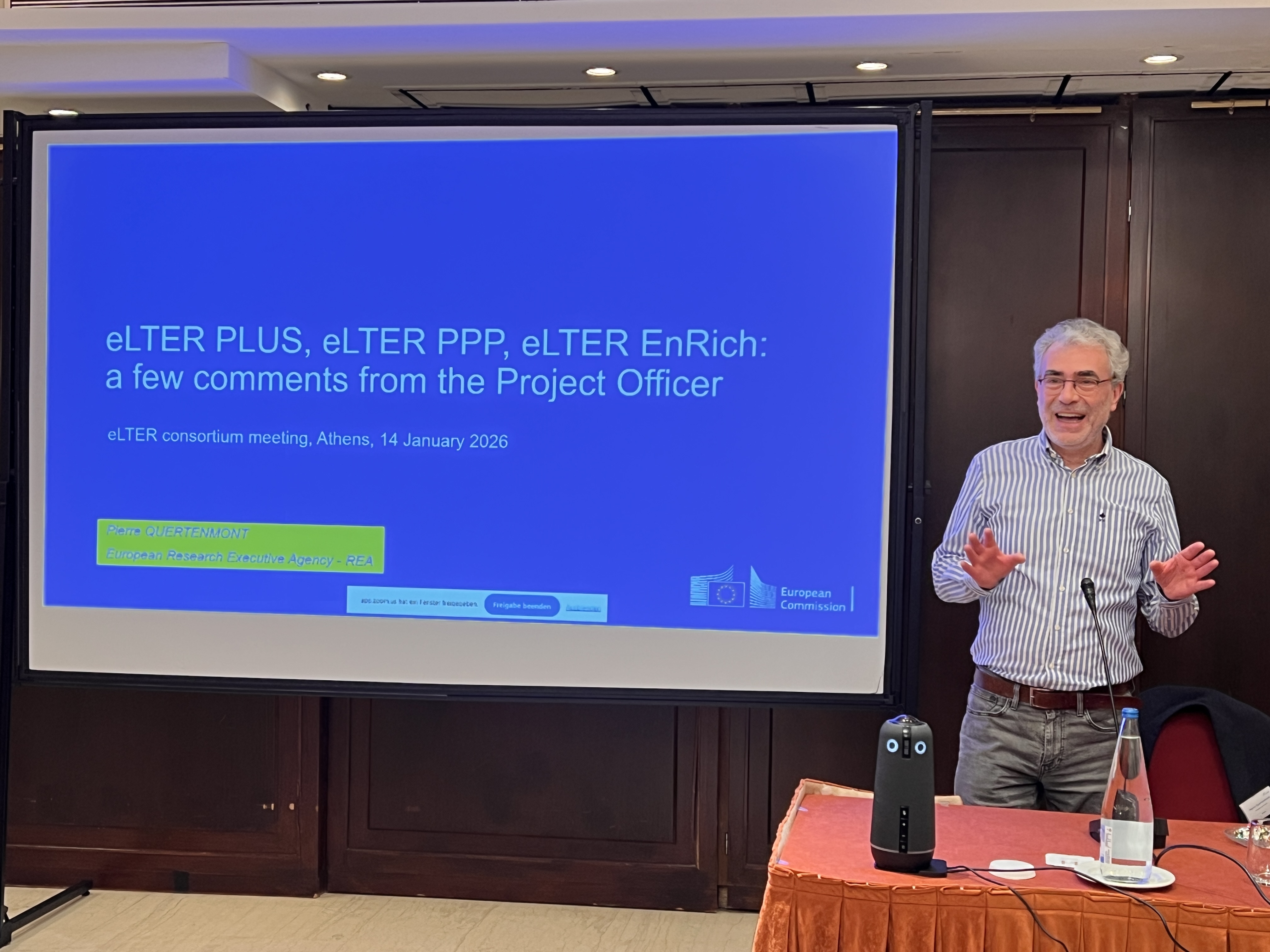
"Thank you eLTER for inviting me to the event. It has been an honour to be the European Research Executive Agency Project Officer of eLTER PLUS and eLTER PPP for the last… 6 years! Fantastic to see the progress made towards an integrated, pan-European eLTER Research Infrastructure, on its way to becoming an ERIC. The strong sense of community and the enthusiasm of the participants were just incredible. Congratulations to the eLTER community on the interesting meeting and on the great job done overall!" - Pierre Quertenment (REA)
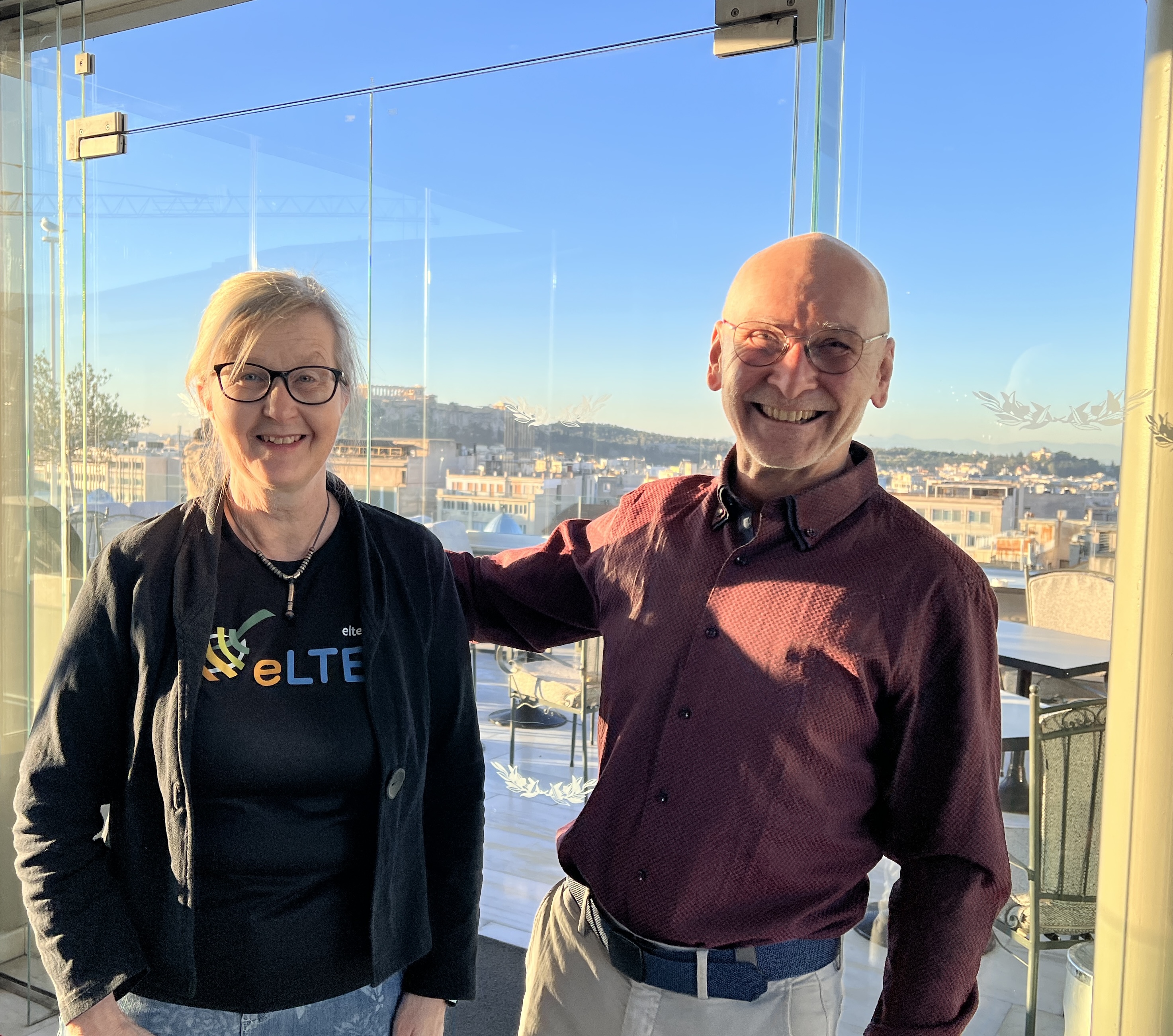
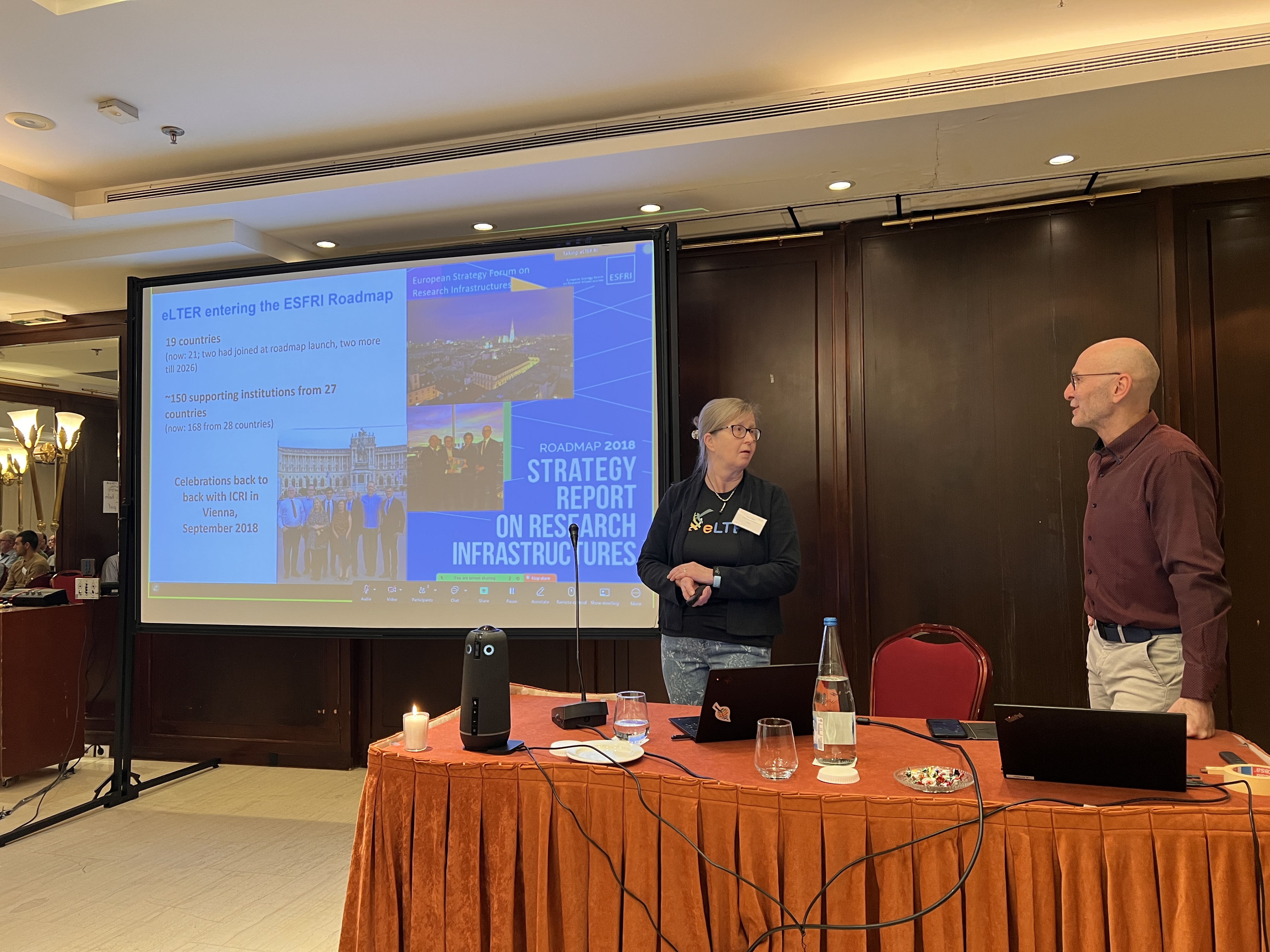
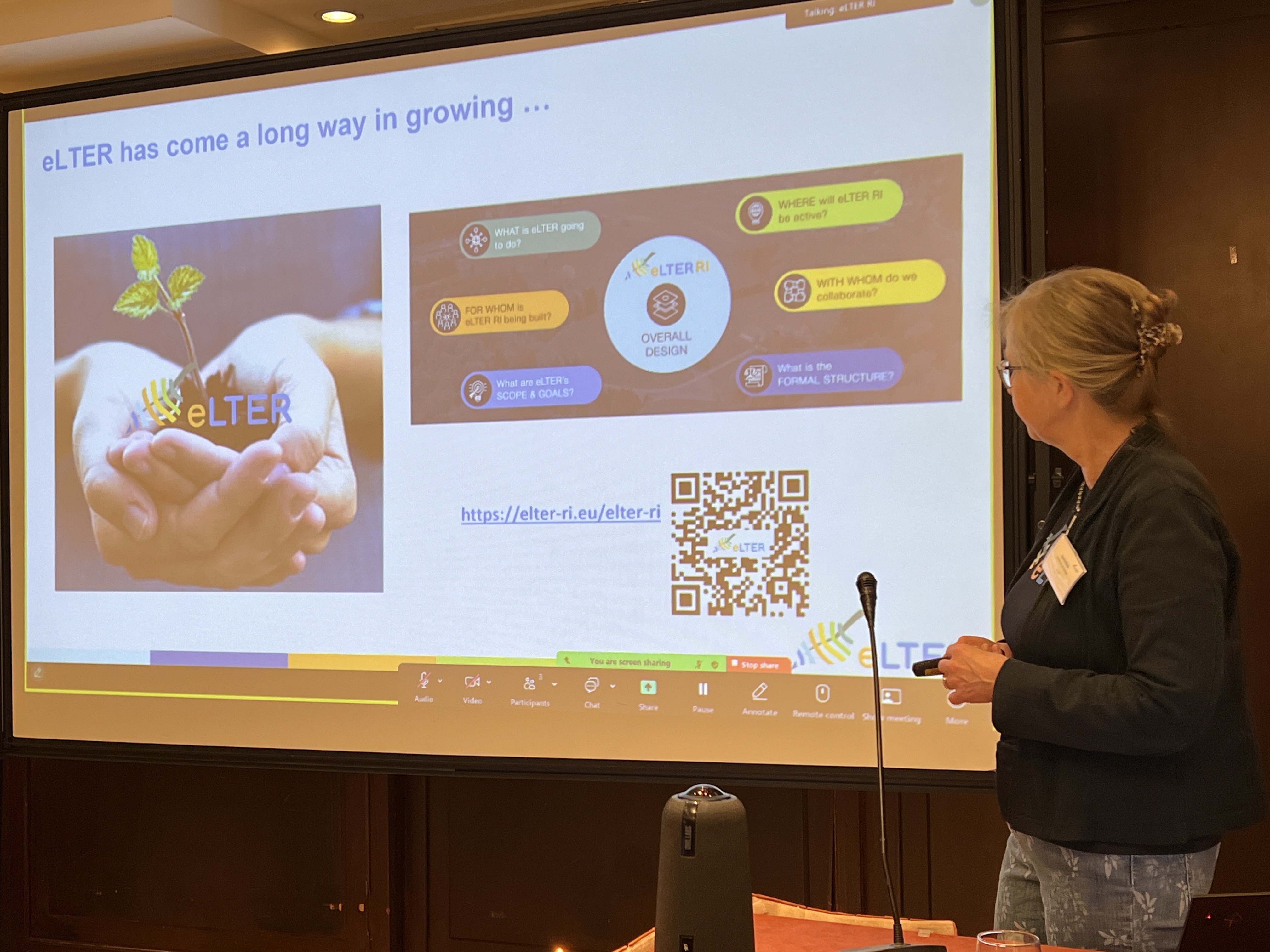
Next, followed a joint talk by eLTER Coordinators Jaana Bäck (University of Helsinki, Finland) and Michael Mirtl (Environment Agency Austria / UFZ, Germany), who traced the long and often complex journey of eLTER. Framed as a narrative of perseverance, collaboration, and shared purpose, their presentation "eLTER RI: Designing, implementing and testing an emerging RI via two flagship projects" highlighted the achievements of eLTER PLUS and eLTER PPP.
The presentation was grounded in concrete moments: early conceptual discussions, intensive proposal-building phases, and the collective effort of a distributed community. A special acknowledgement was given to Nikolaos Nikolaidis (the host of the Athens meeting, together with Andreas Panagopoulos), for his long-standing contribution to integrating socio-ecological dimensions into eLTER's scientific framework.
A milestone towards ERIC establishment
A key institutional highlight was the 11th eLTER Interim Council Meeting (IC_11), held just prior to the Consortia Meeting. Representatives from ten committed countries endorsed the near-final Step-2 Application documents, marking a decisive step towards the formal establishment of the eLTER ERIC. This endorsement signals both readiness to proceed with national processes, and trust that the infrastructure is robust enough to move into its operational phase. At the same time, the discussions acknowledged the constraints of the upcoming Bridging Phase. With limited resources success will depend on distributed collaboration, strategic prioritisation, and sustained community engagement.
National perspectives shaping the next phase
National Coordinators engaged in structured discussions addressing the evolution of eLTER across countries, including capacity for coordination, generational transition, and the tangible impacts of the ESFRI (European Strategy Forum on Research Infrastructures) process. Across responses, a consistent picture emerged: the past six years have significantly strengthened national networks, increased engagement at site and platform level, and advanced methodological harmonisation.
Feedback on the coordination team was uniformly positive, recognising its professionalism, strategic clarity, and sustained effort in guiding the infrastructure towards ERIC. At the same time, countries emphasised the need to maintain momentum during the transition phase, strengthen fundraising efforts, and further support national networks. These networks were framed as essential "critical friends", actors capable of providing grounded, experience-based feedback, while ensuring alignment between European-level ambitions and national realities.
Core of eLTER: from concept to operational framework
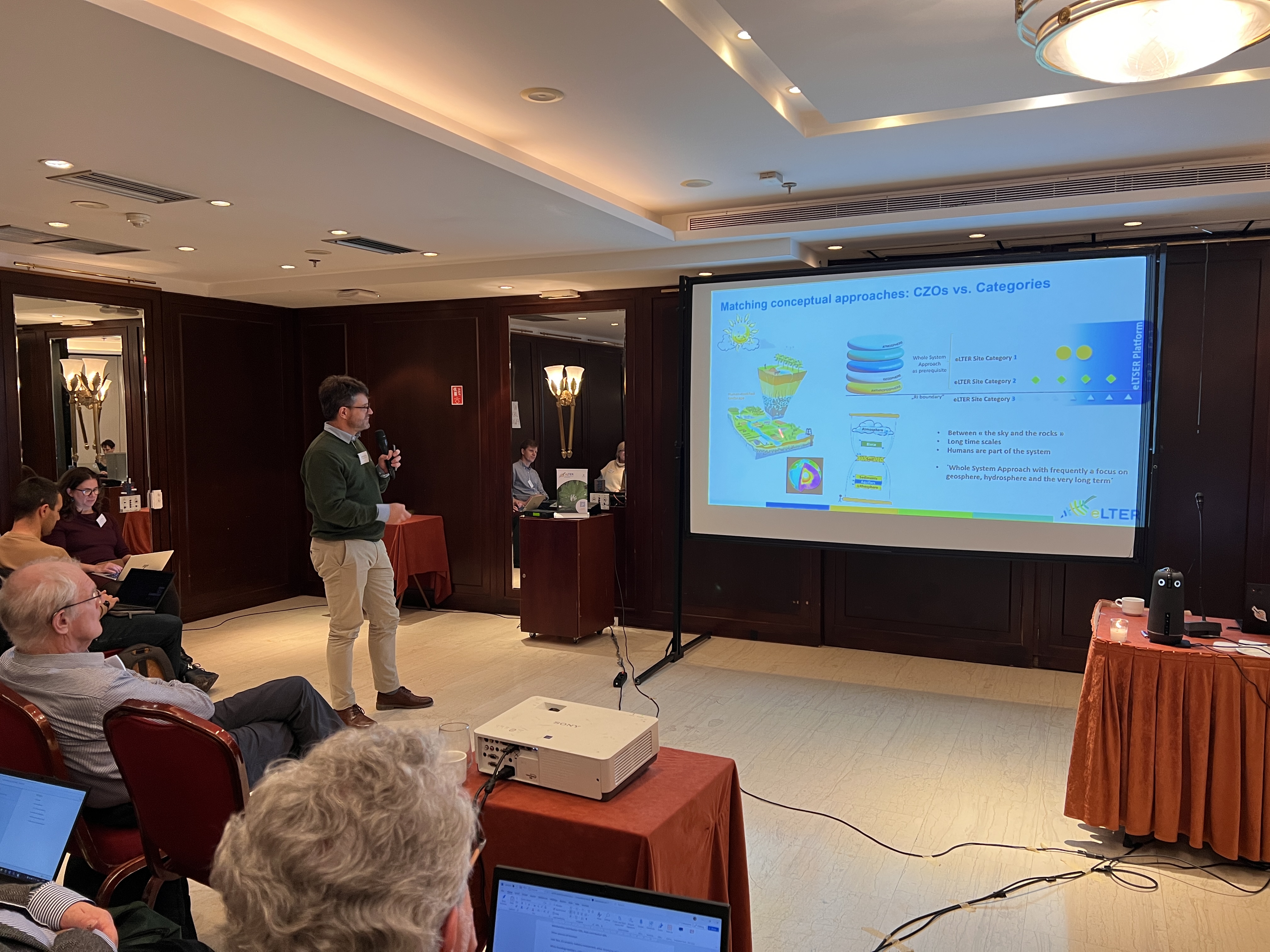
A central session "Core of eLTER RI - Towards a concise site and platform network", demonstrated how the infrastructure has moved from conceptual design to operational substance. Presented by the following team: Thomas Dirnböck (Environment Agency Austria), Steffen Zacharias (UFZ, Germany), Nikos Nikolaidis (Technical University of Crete, Greece), Tudor Racoviceanu (University of Bucarest, Romania), Daniel Orenstein (Technion – Israel Institute of Technology), Allan Souza (University of Helsinki, Finland), Eugenio Diaz-Pines (BOKU University, Austria), Peter Haase (Senckenberg, Germany), the session outlined key achievements across PPP and PLUS projects.
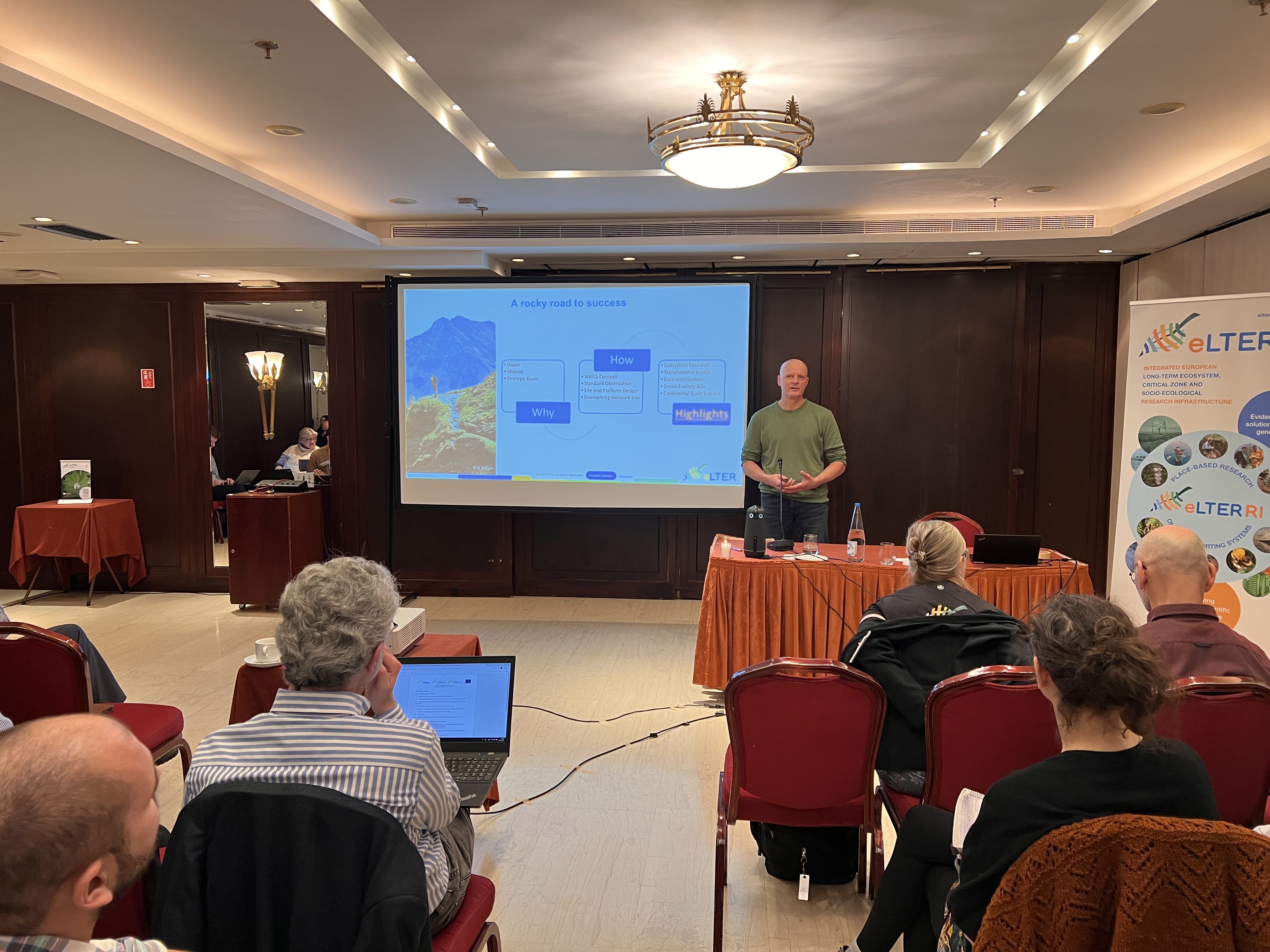
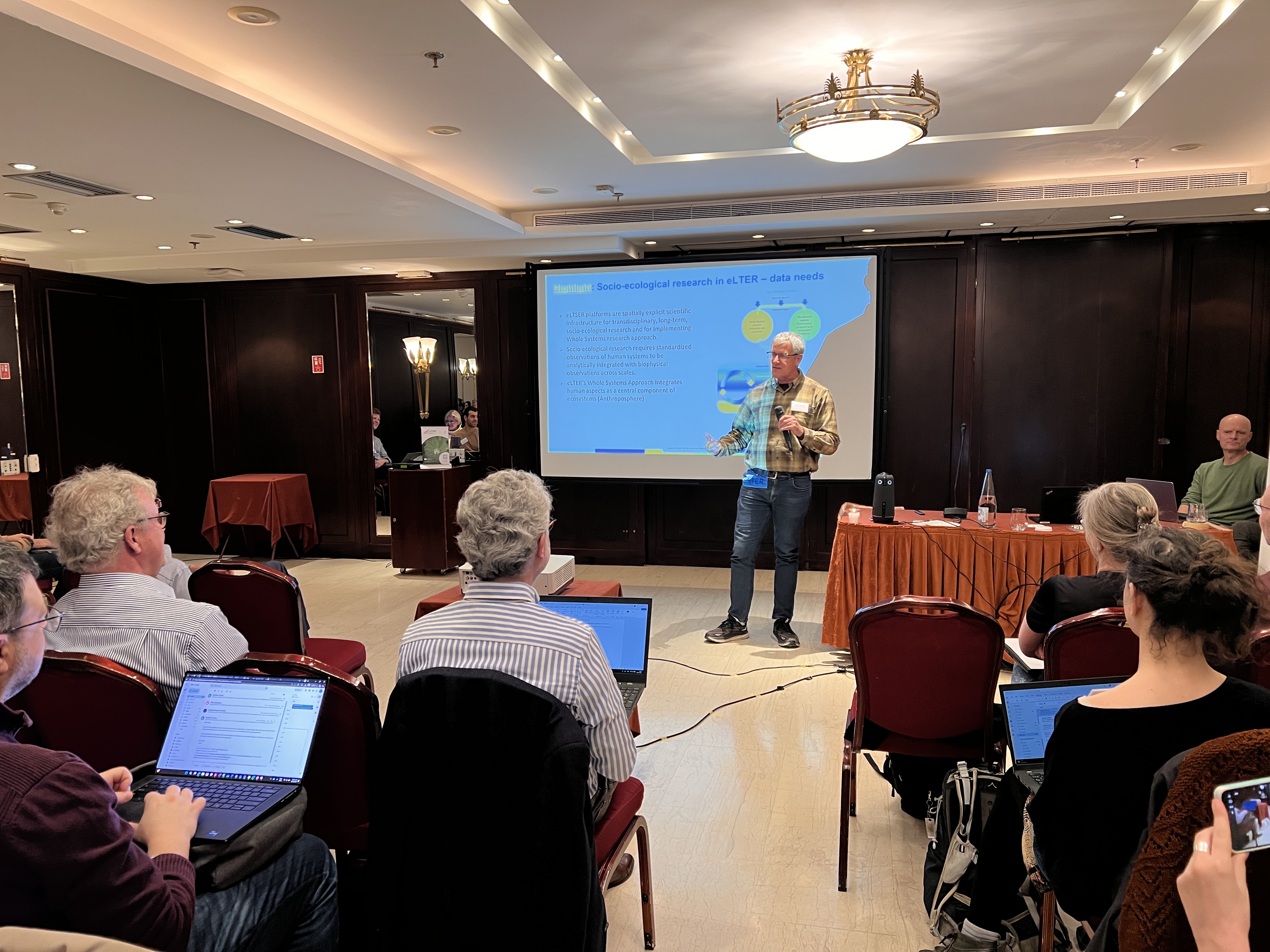
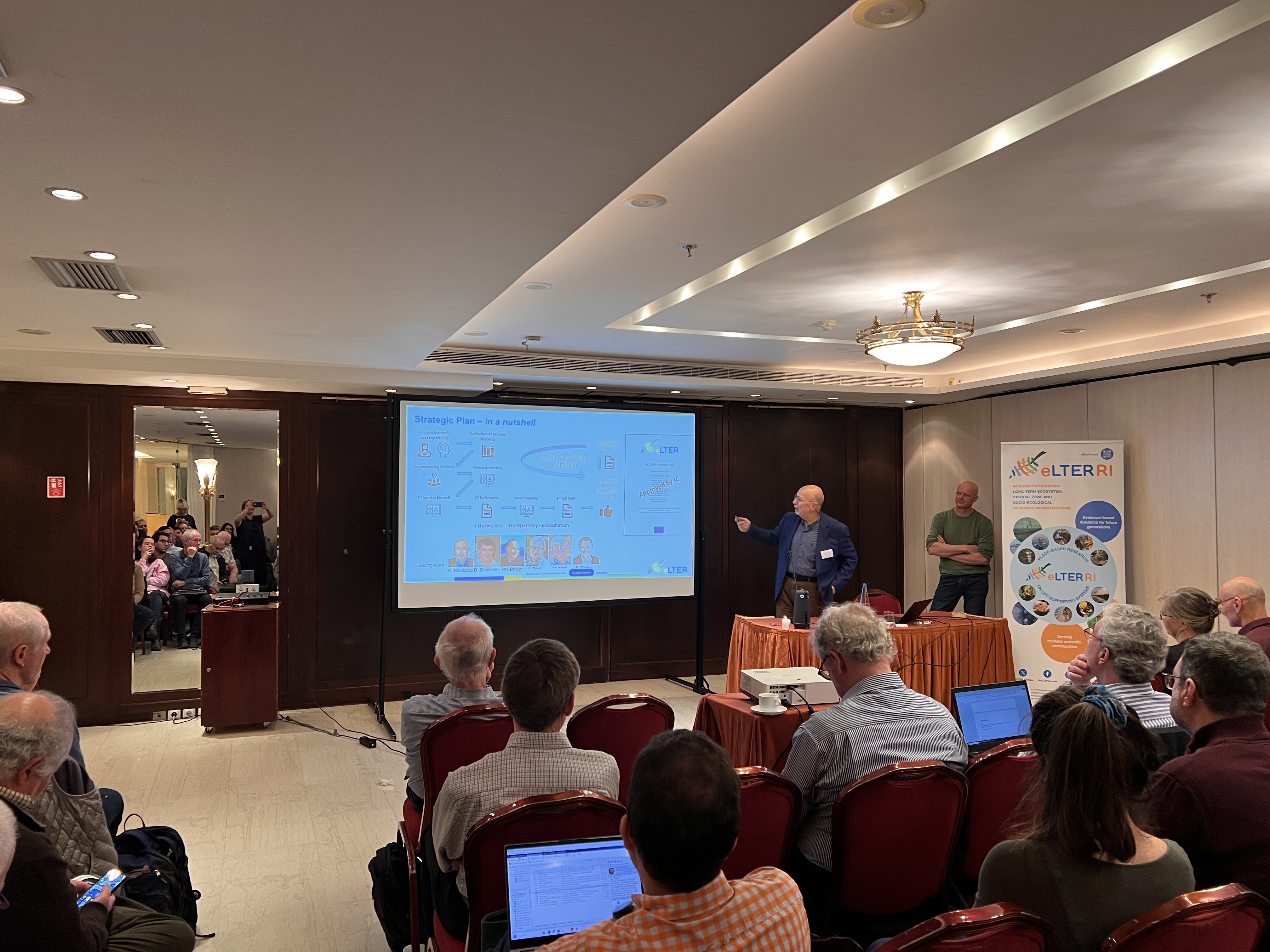
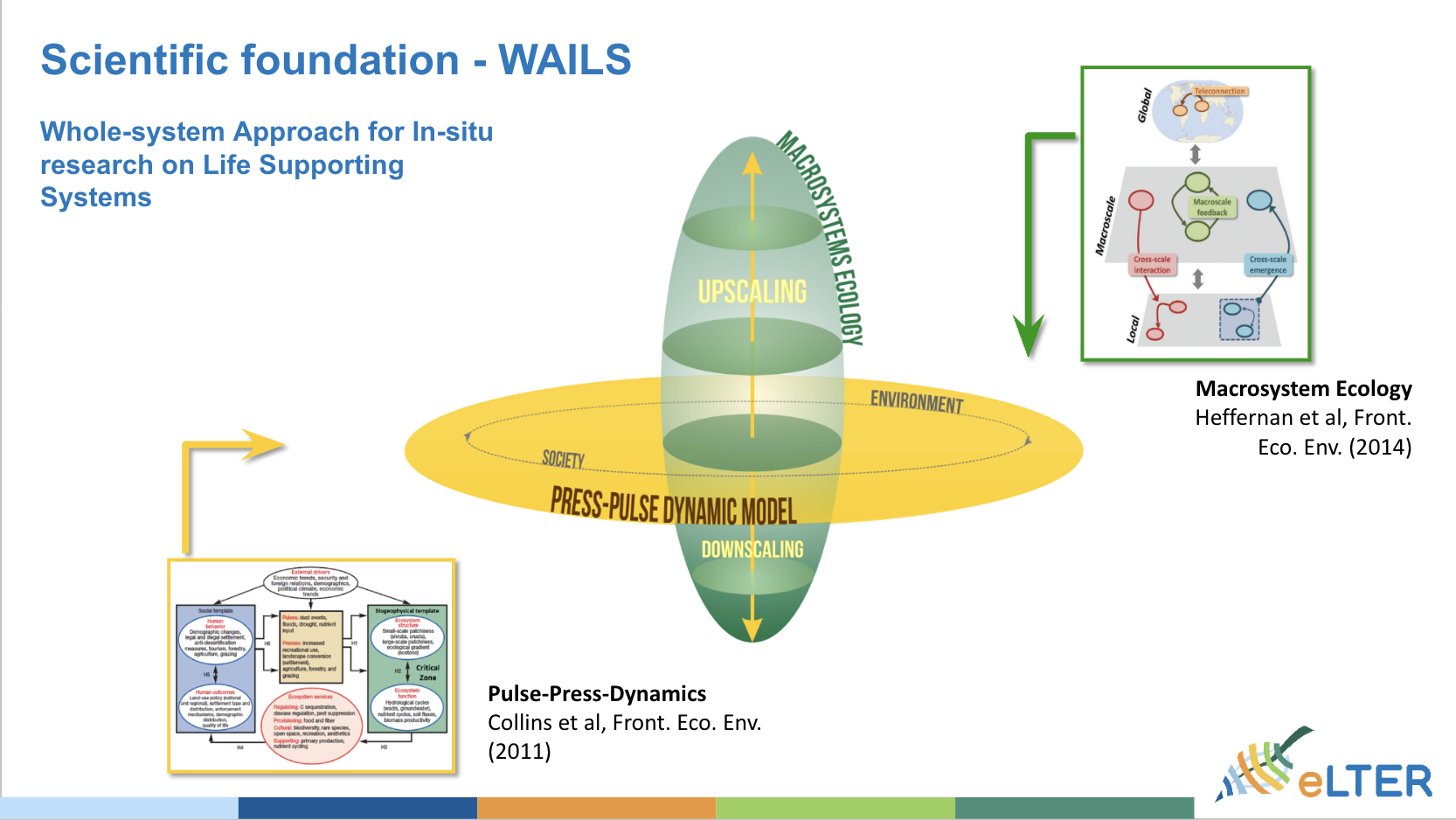
These achievements include the consolidation of the eLTER strategy, the development of the Standard Observations framework, and the refinement of a representative network of Sites and Platforms. The Whole-System Approach for In-situ research on Life Supporting Systems (WAILS) was presented as the scientific backbone of the infrastructure, operationalised through harmonised, long-term environmental observations across multiple ecosystem spheres.
Concrete examples illustrated how this framework is already functioning in practice, from long-term biogeochemical data collection and transnational access to data mobilisation and socio-ecological integration, while also highlighting remaining challenges such as spatial gaps and network representativity.
eLTER in the European and global landscape: partnerships and collaborations
eLTER continues to strengthen its position within the European and Research Infrastructure landscape through active engagement in the ENVRI community and the Global Ecosystem Research Infrastructure (GERI), as well as sustained collaboration directly with sister infrastructures. eLTER fosters partnerships that enhance scientific, technological, and operational synergies, including the co-location of in-situ facilities with environmental monitoring networks where appropriate. This integrated approach reinforces eLTER's role as a connector across disciplines, infrastructures, and scales.
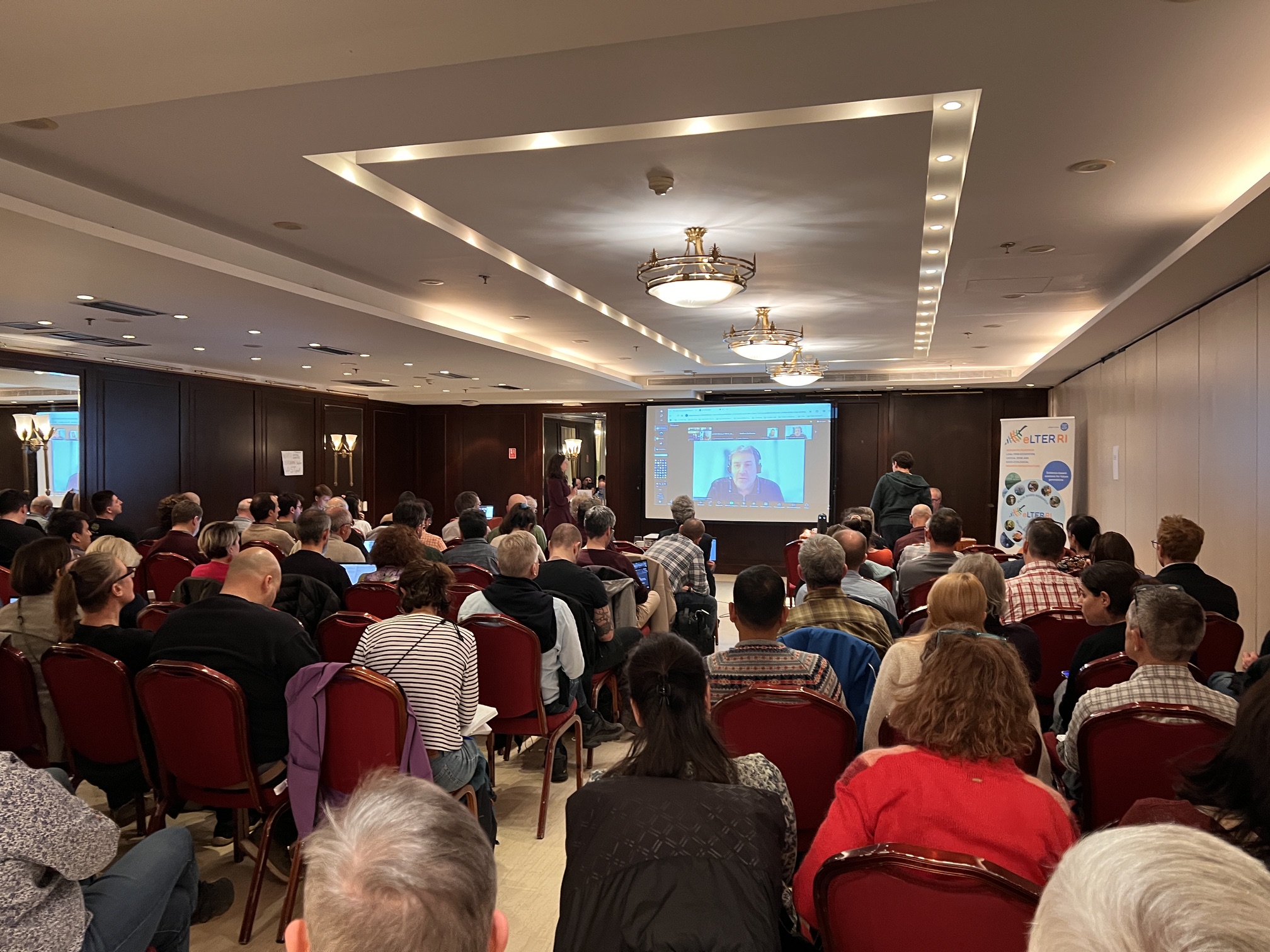
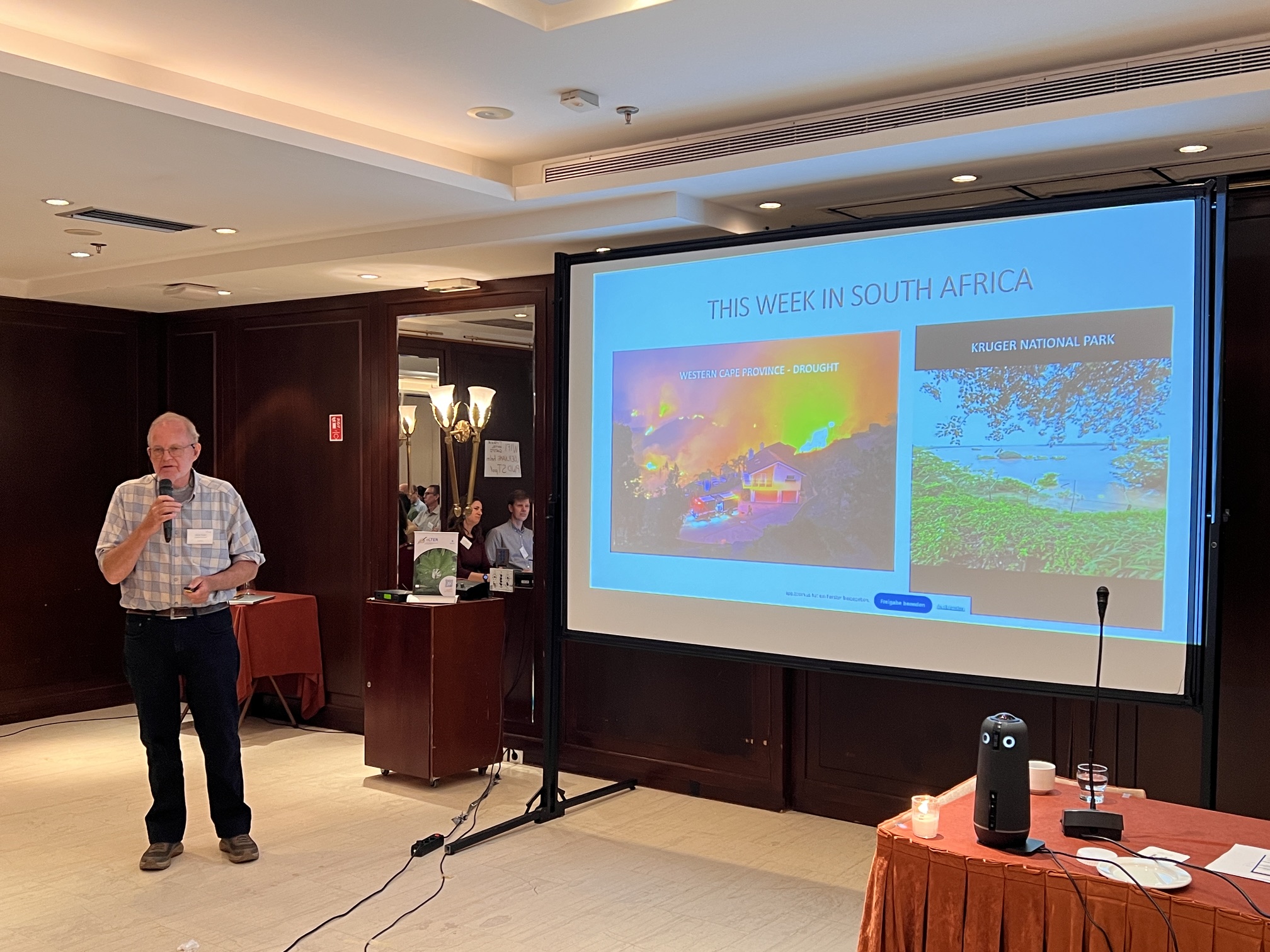
A dedicated session "eLTER´s role in the European & global landscape" by Jaana Bäck (UH, Finland), Michael Mirtl (EAA, Austria/ UFZ, Germany) and Jérôme Gaillardet (CNRS, France) highlighted the breadth of eLTER's collaborations, showcasing both peer Research Infrastructures and EU-funded projects. Contributions provided insight into the mutual benefits of these partnerships, what positions eLTER as a valuable and distinctive partner, and how these collaborations support the transition towards eLTER ERIC. Speakers also reflected on future opportunities and expectations for eLTER's continued development.
Statements were delivered by representatives of key infrastructures, including Johan Pauw (GERI/SAEON), Alberto Basset (LifeWatch ERIC), and Ulrich Bundke (ENVRI-Hub NEXT and IAGOS). Project collaborations were presented by Janne Rinne (IRISCC), Mihai Adamescu (MARCO-BOLO), Marina Papageorgiou (ENVRINNOV), Gabriela Zuquim (BioDT), and Bertrand Muller (PHENET).
Additional video contributions further illustrated the collaborative landscape, featuring peer infrastructures such as ICOS ERIC (Hannele Laine), ACTRIS (Eija Juurola), AnaEE (Michel Boer), and Danubius RI (Adrian Stanica), alongside project perspectives from Hannes Mollenhauer (CREDIBLE) and Niels Raes (Biodiversity Meets Data).
Together, these contributions underscored eLTER's growing role as a central node within a wider ecosystem of infrastructures and initiatives, enabling integrated, long-term environmental observation and advancing collaborative responses to complex socio-ecological challenges.
Building the eLTER Service Portfolio
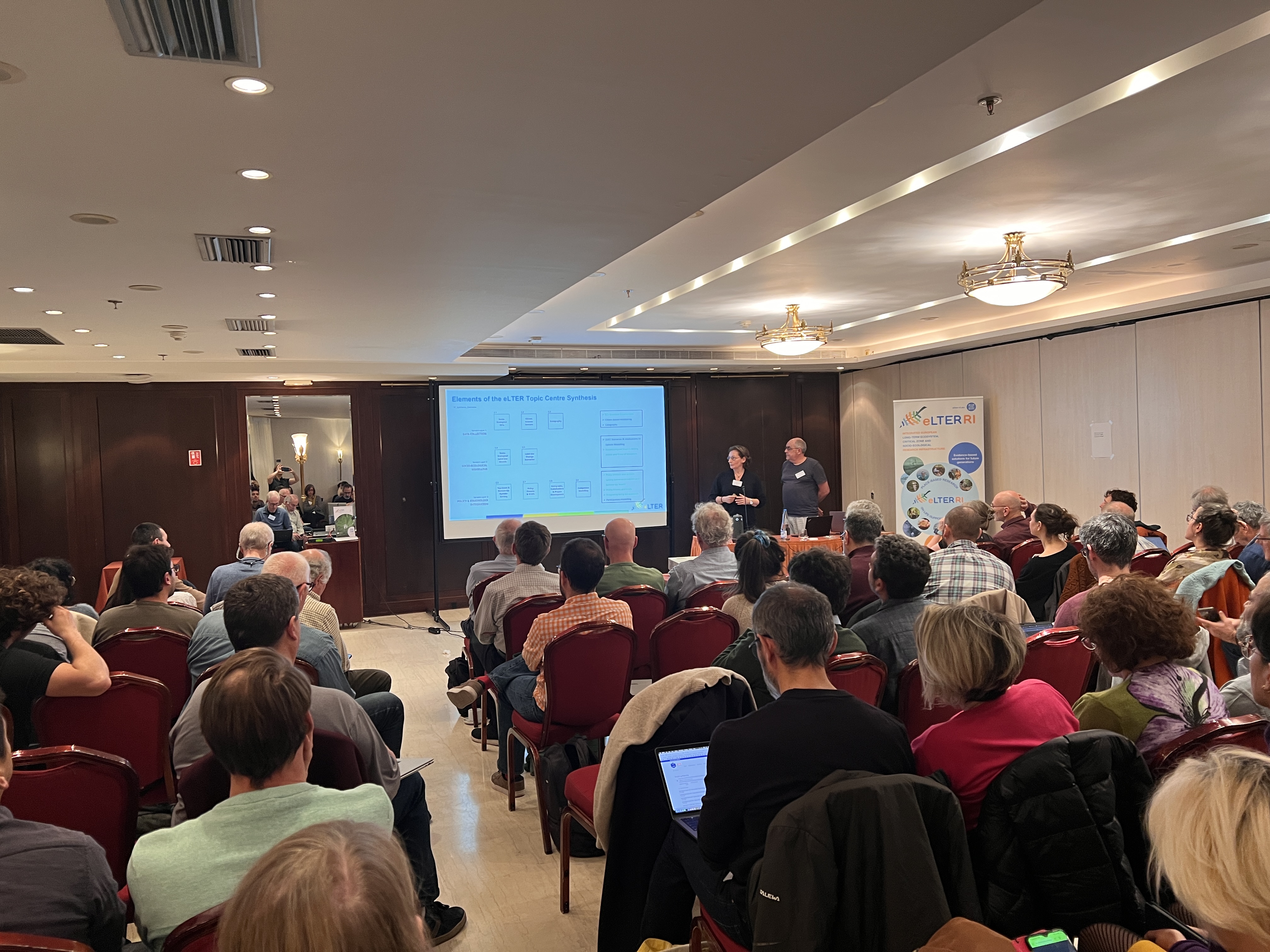
The meeting also provided a forward-looking perspective on the eLTER Service Portfolio. Led by eLTER Head of Service Development Ulf Mallast (UFZ, Germany), the session presented the vision and early developments for the emerging Topic Centres in Data Management, Synthesis, and Analysis and Modelling, offering a first glimpse into the services that will define eLTER ERIC. These services aim to transform distributed data and expertise into accessible, value-added resources for science and policy.
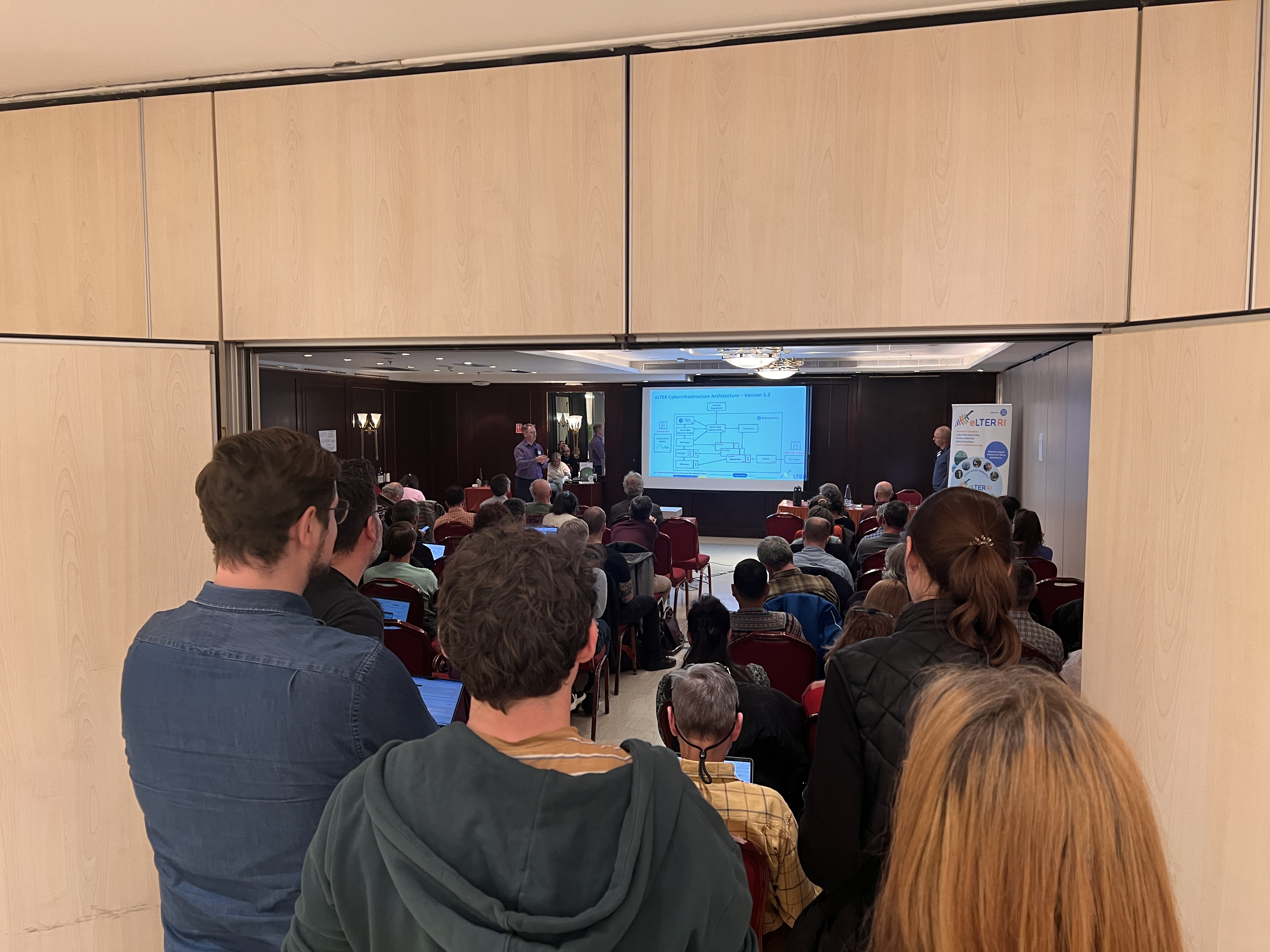
Complementing this, the Cyberinfrastructure (CI) sessions by Tom Rebok (Masaryk University, Czechia) and Martin Abbrent (UFZ, Germany) showcased key components such as the Digital Asset Registry (DAR), eLTER LOGIN, Datalabs, and the eLTER Portal. Together, these systems form the backbone of a digital ecosystem designed to support data discovery, access, and analysis across the infrastructure.
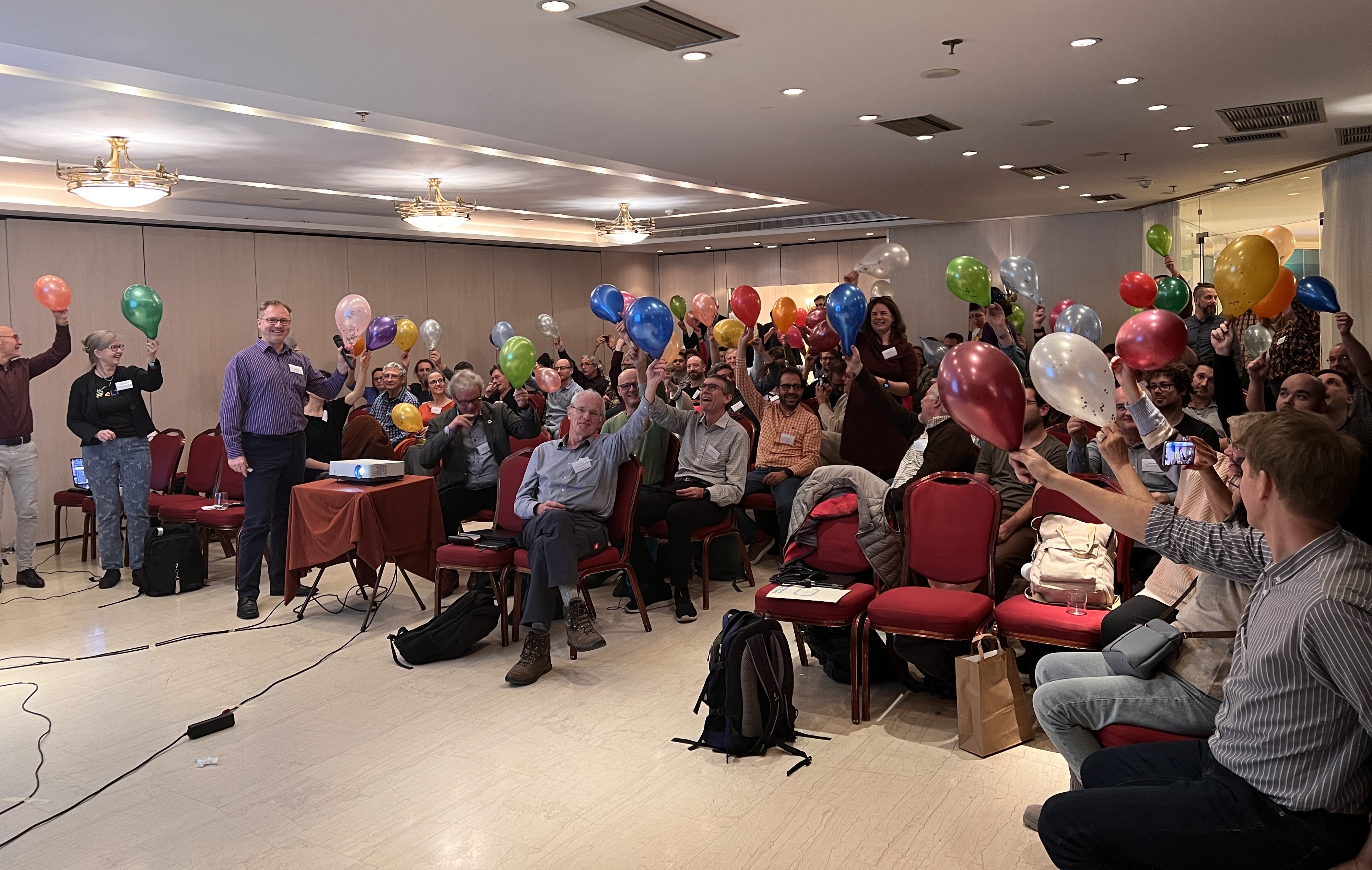
The launch of the cyberinfrastructure (CI) was celebrated by all participants. eLTER users will be able to operate the CI for data management tasks and access current and upcoming information services. Built on modern software and cloud-based solutions, the eLTER CI supports efficient workflows and processes that enable the goals of eLTER. The eLTER CI Team continues to work on improvements, new features, and the optimisation of interoperability to further enhance the platform and its services.
eLTER Strategic Communication
As eLTER advances towards the eLTER ERIC, communication is increasingly positioned as a core infrastructural function rather than a supporting activity. Rooted in a long tradition of bottom-up collaboration across national LTER networks, eLTER today represents a large, diverse, and interconnected community whose collective voice requires coherent representation. Communication is therefore essential not only for sharing scientific progress, but for connecting this community to policy makers, peer Research Infrastructures, and global networks, while supporting collaboration, training, and capacity building.
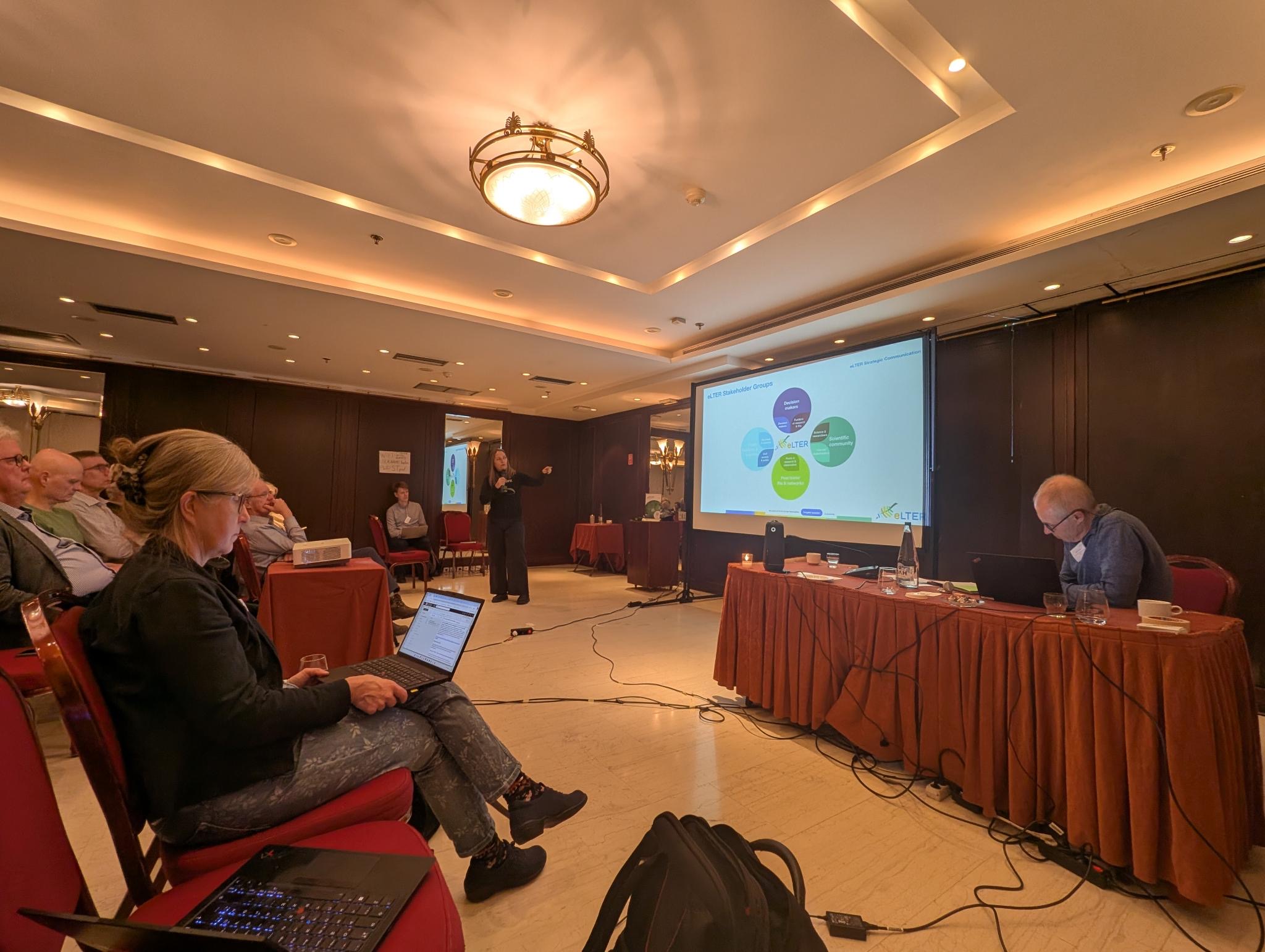
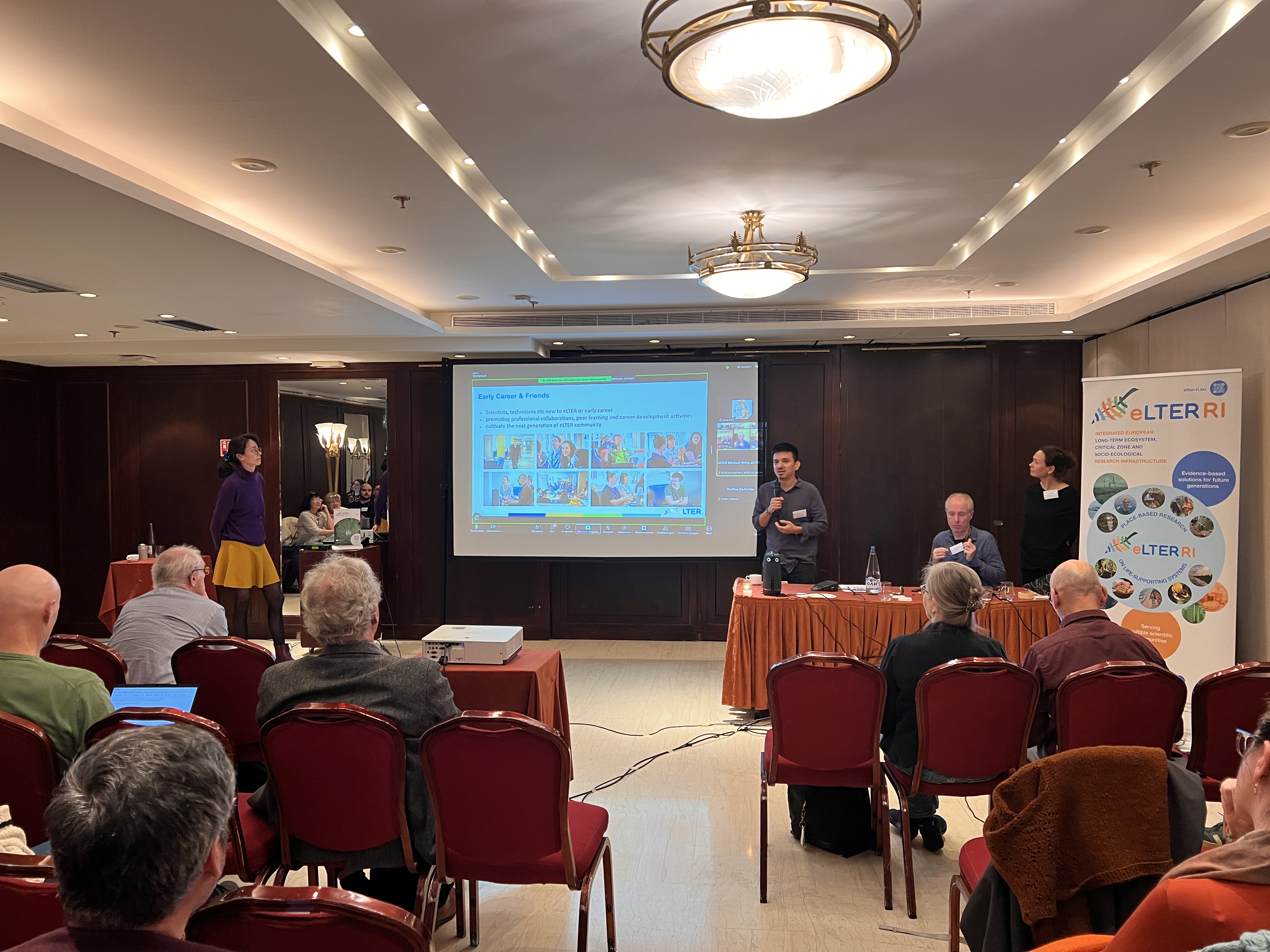
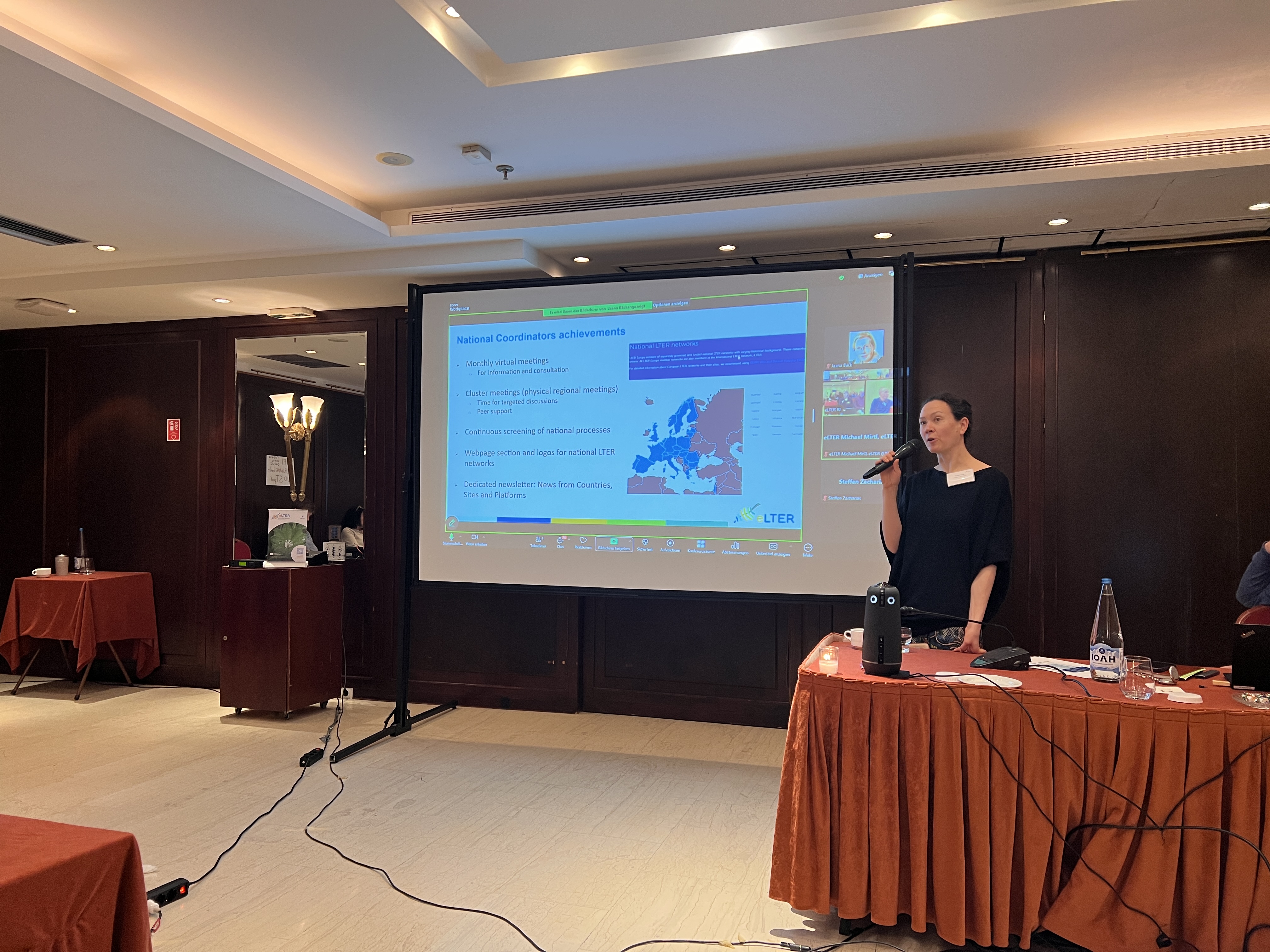
The session on "Strategic Communication and Internal Networking in eLTER" by Alexandra Tzvetkova (Pensoft Publishers, Bulgaria), alongside Terhi Rasilo (University of Helsinki, Finland) and Christian Poppe (FZJ, Germany), highlighted how communication has evolved into a strategic, RI-level function aligned with the establishment phase. The eLTER website, newsletter, and outreach activities now function as core instruments for connecting science, policy, and society, ensuring that the emerging ERIC is recognised not only as a research infrastructure, but as a collective platform.
Terhi Rasilo outlined the key role of National Coordinators in sustaining the network through regular exchanges, Sites and Platforms Forum activities, data mobilisation, and access calls, while emphasising the need to prioritise essential activities during the Bridging Phase. Complementing this, Christian Poppe presented the Early Career and Friends group, which fosters collaboration, peer learning, and professional development, ensuring the continued renewal and long-term sustainability of eLTER.
A community ready for the next step
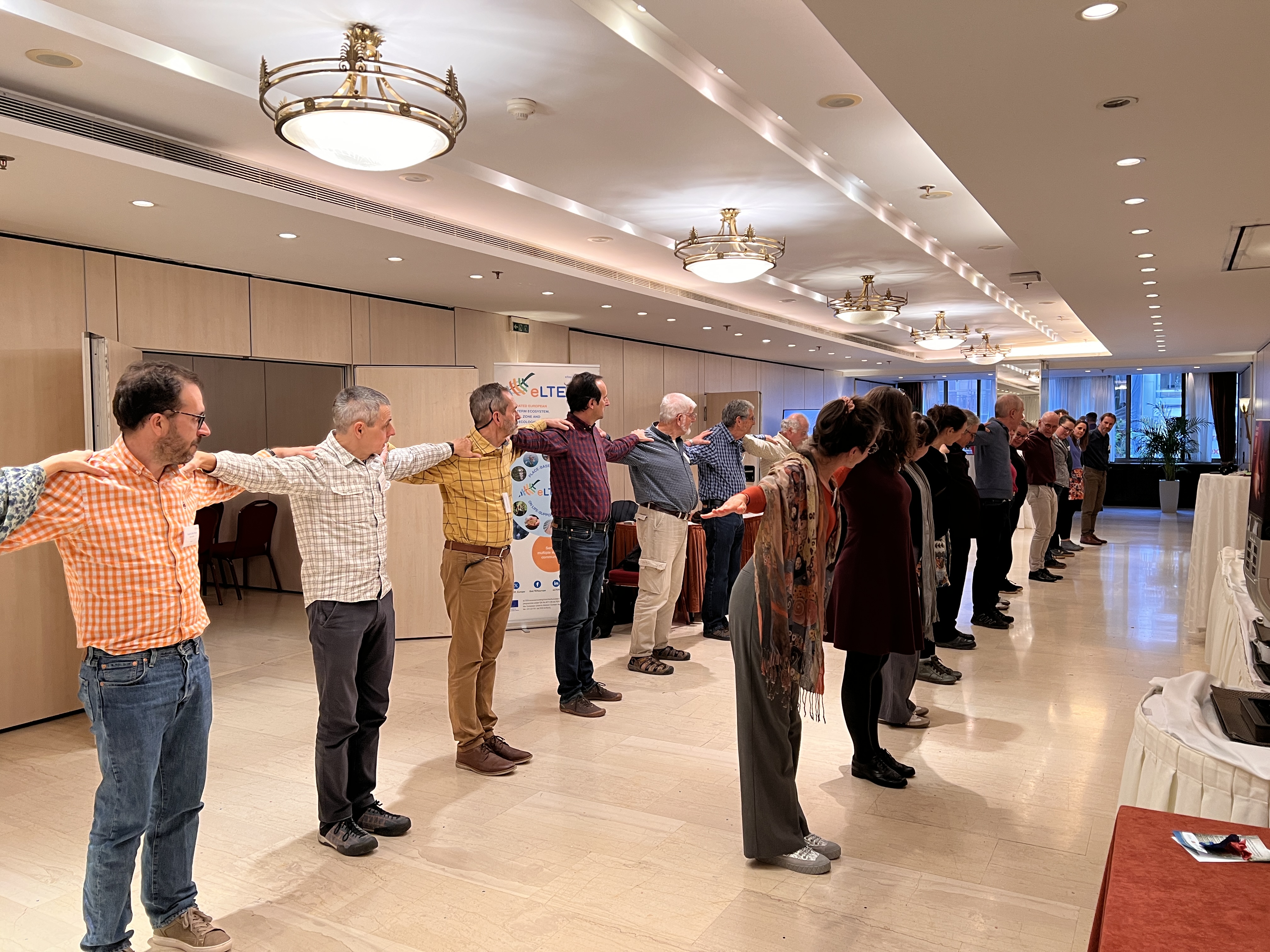
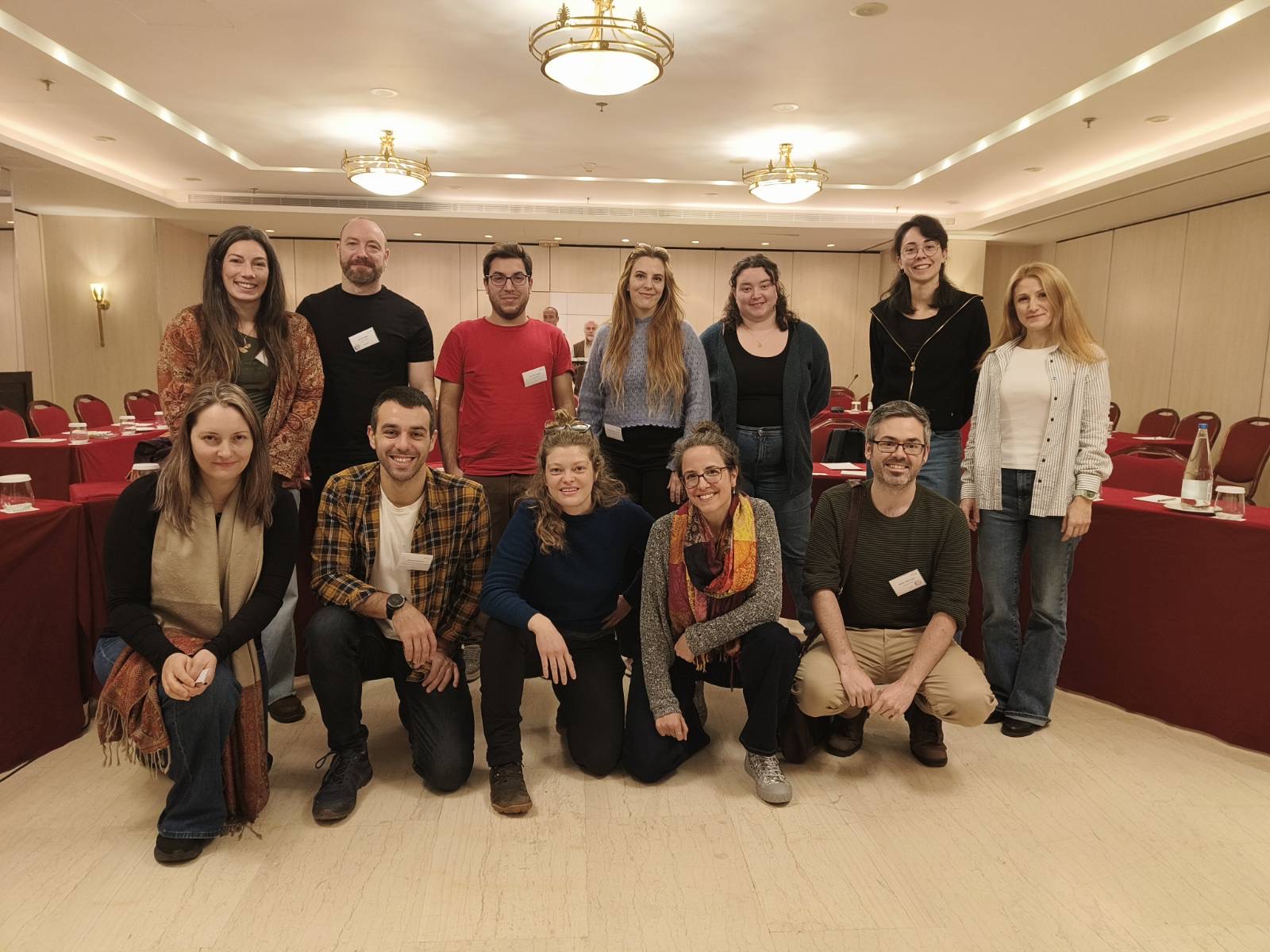
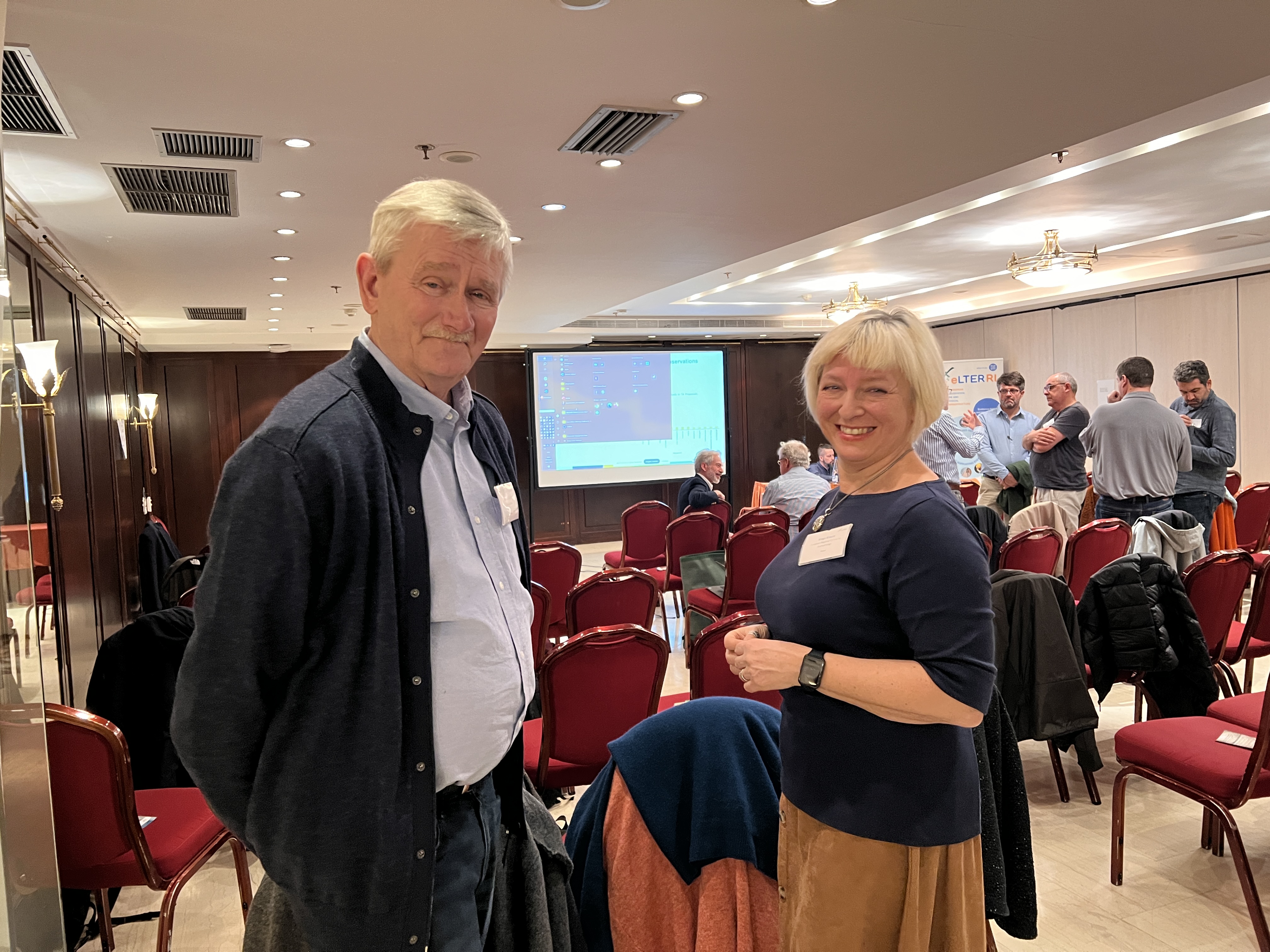
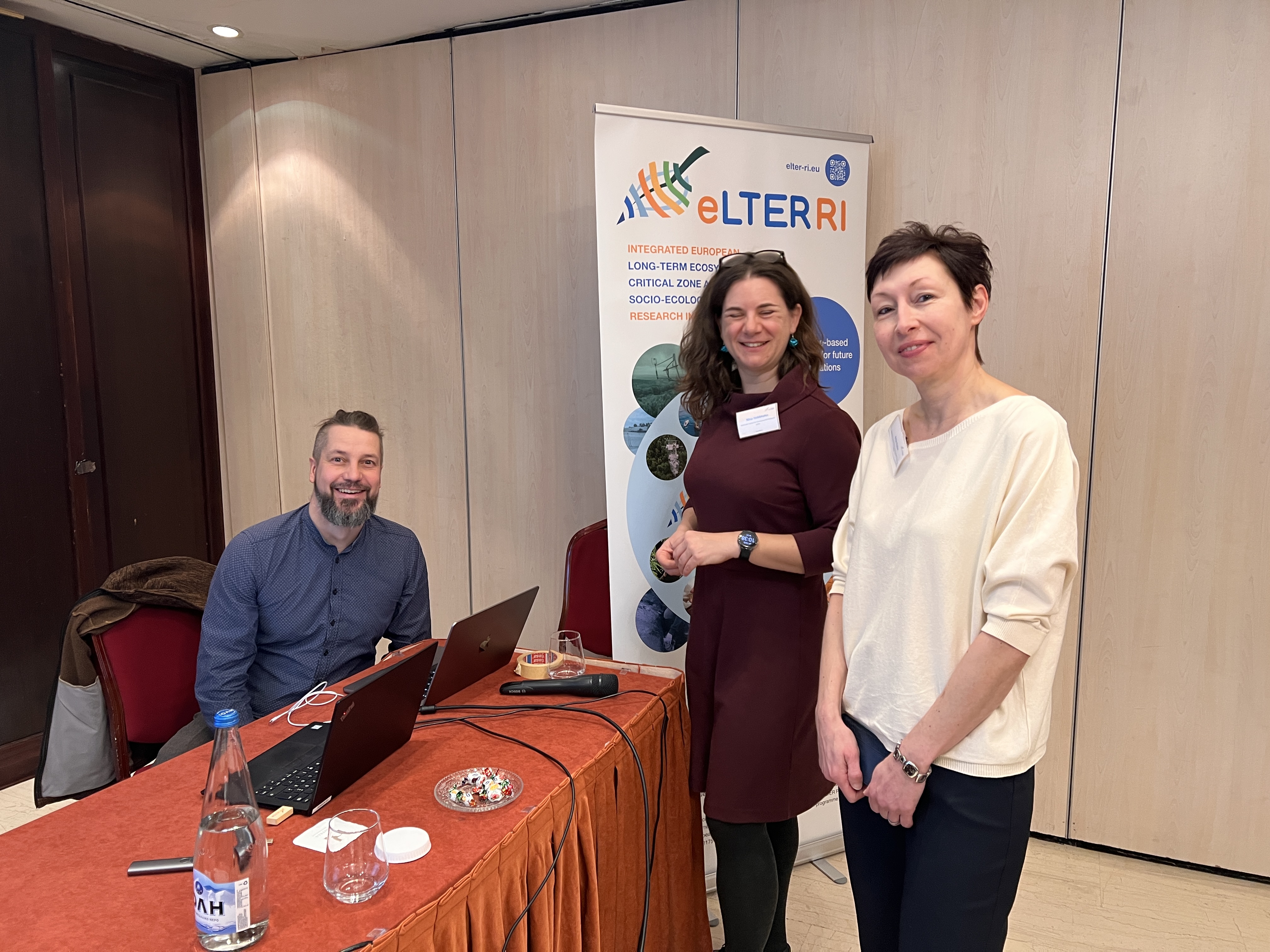
The eLTER Consortia Meeting January 2026 Athens demonstrated that eLTER has reached a new level of maturity. What began as a set of coordinated projects has evolved into a cohesive, pan-European initiative with a clear scientific mission, operational framework, and engaged community.
As the infrastructure moves into the Bridging Phase and towards formal establishment, the emphasis shifts from preparation to implementation and operation. The foundations are in place; the challenge now lies in sustaining momentum, strengthening collaboration, and translating collective ambition into long-term impact.
Follow eLTER on LinkedIn and subscribe to our newsletter!
#eLTERcommunity