Microplastics Detected at Remote Alpine eLTER Sites
A newly published study in Environmental Research Communications provides the first evidence of microplastic contamination in remote alpine lakes within the eLTER Research Infrastructure, highlighting the far-reaching spread of plastic pollution into seemingly pristine freshwater ecosystems.
The research focused on two high-altitude alpine lakes (Paione Superiore and Paione Inferiore) in the Western Alps (LTER-Italy) and their outlet streams, areas characterized by minimal direct human pressure. Despite their remoteness, microplastic particles were detected at all sampling sites, demonstrating that even isolated mountain environments are not shielded from this emerging global pollutant. The majority of particles identified were microfibers, primarily composed of synthetic polymers such as polyester and PET, materials commonly associated with textiles.
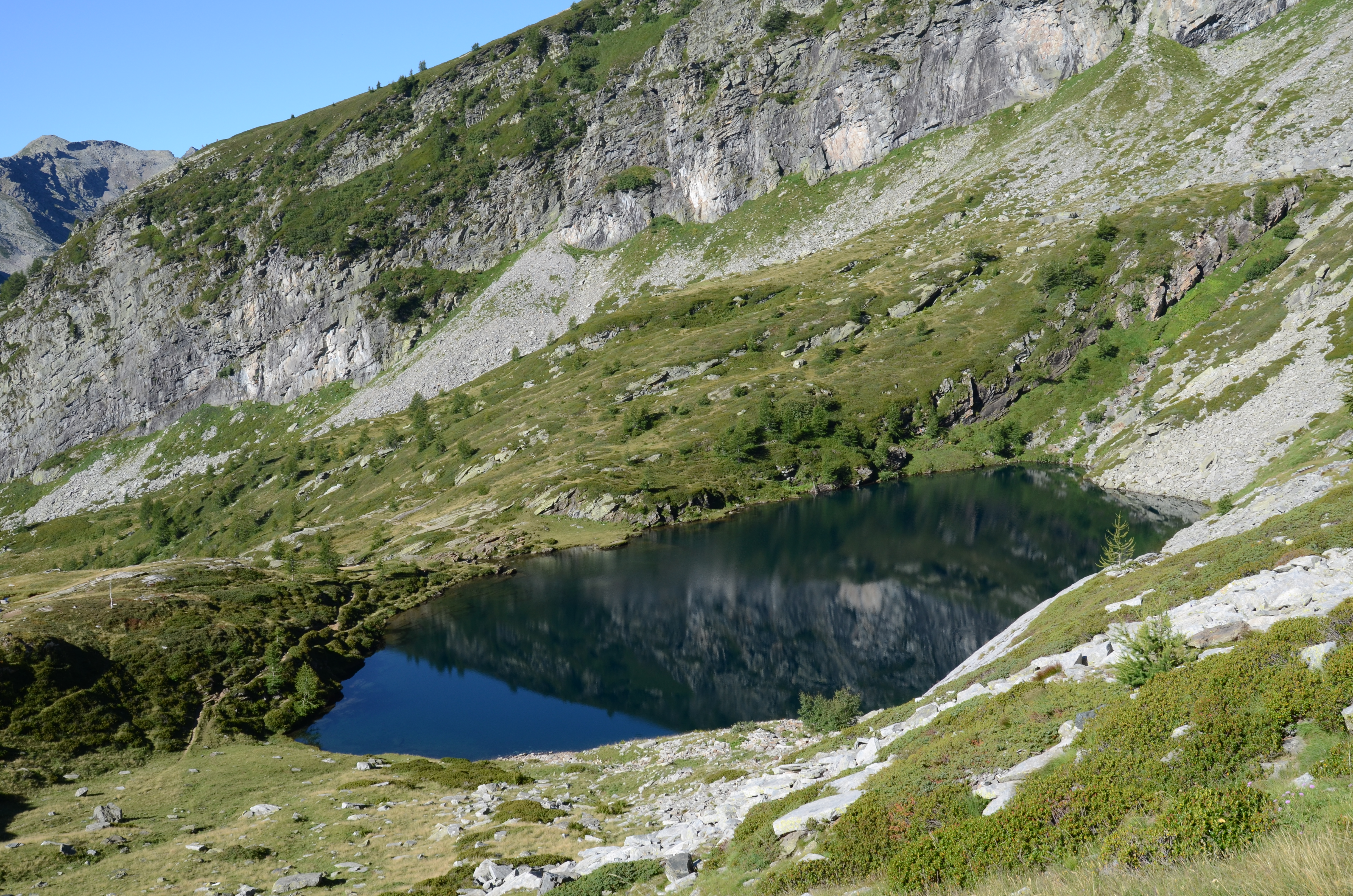 Lake Paione Inferiore. Photo credit: LTER-Italy
Patterns observed along the lake system suggest a combination of long-range atmospheric transport and local recreational activities as likely sources of contamination. The study also found variations in microplastic abundance along the hydrological continuum, pointing to transport and accumulation processes within the catchment.
The authors recommend expanding microplastic surveillance within long-term ecological networks and integrating this emerging pollutant into environmental frameworks addressing transboundary air pollution, ecosystem health, and conservation planning.
Link to the publication:
Giulia Cesarini et al 2025 Environ. Res. Commun. in press. Evidence of microplastics in remote alpine lakes of the eLTER network https://doi.org/10.1088/2515-7620/ae2bcb